
Why Recovery Matters Way More Than You Think
By Michael Falco
February 11, 2026 • 2 min read
MOST PICKLEBALL players measure commitment by how often they’re on the court. More games, more leagues, more open play. What often gets overlooked is the time between sessions; the recovery that allows the body to adapt, repair, and come back ready.
If you want to play consistently, not just often, recovery isn’t optional. It’s part of training.
Pickleball Is Repetitive by Nature
Pickleball may feel low-impact, but it’s highly repetitive. The same joints absorb load over and over: shoulders from swinging, elbows from gripping, knees and hips from constant lateral movement, calves and Achilles from quick starts and stops. Without recovery, those tissues never fully reset.
The result isn’t usually a dramatic injury. It’s stiffness that lingers, soreness that becomes chronic, and performance that quietly declines.
Sleep Is the Ultimate Recovery Tool
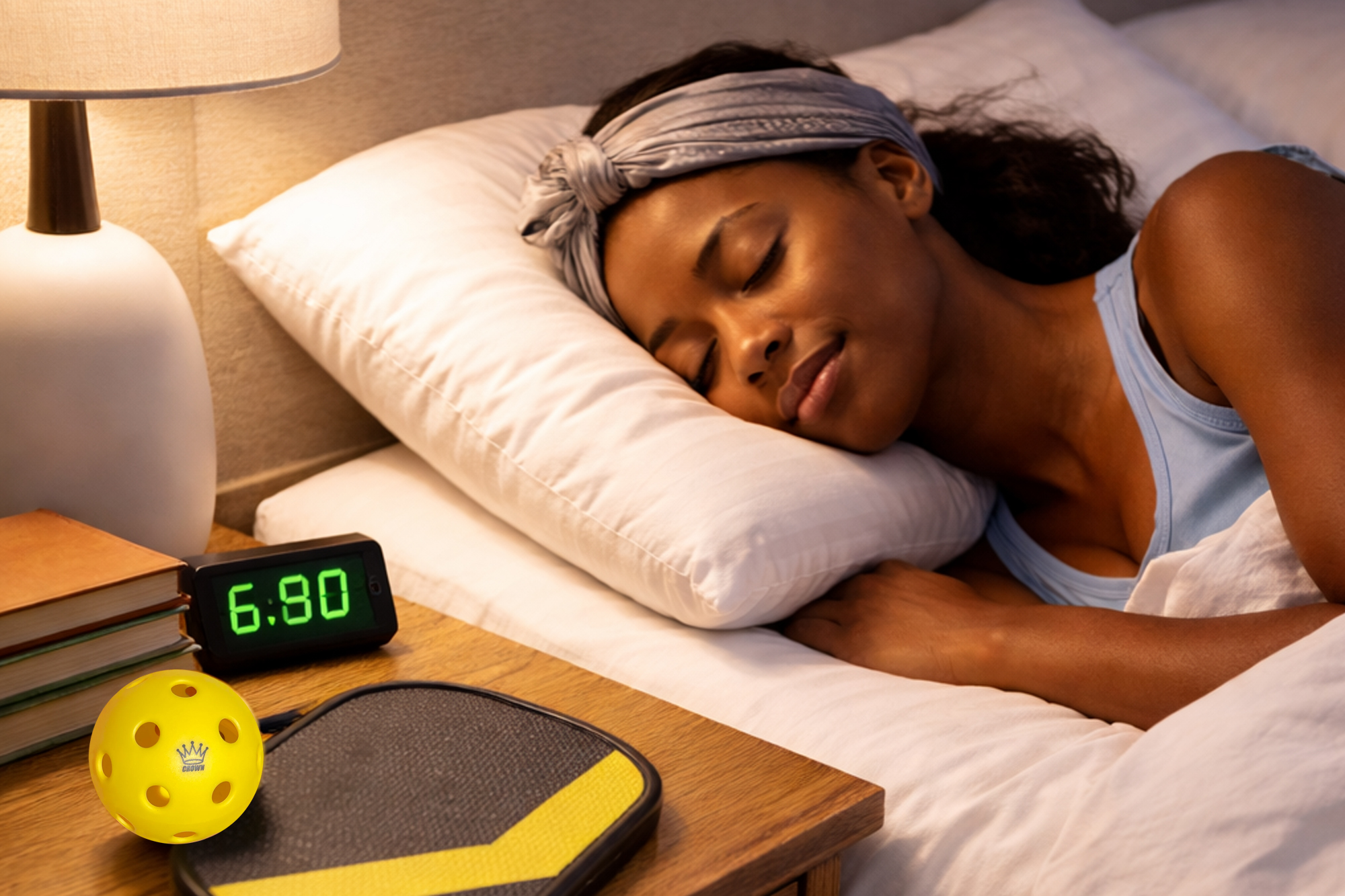
No recovery strategy matters more than sleep. This is when muscle repair, hormone regulation, and nervous system reset actually occur. Short sleep doesn’t just slow physical recovery. It dulls reaction time, decision-making, and coordination.
For active pickleball players, seven to nine hours of quality sleep isn’t indulgent. It’s protective. Consistent sleep schedules, reduced screen time before bed, and adequate hydration all contribute to better rest and better play.
Mobility Keeps Small Problems Small
Mobility work isn’t about flexibility for flexibility’s sake. It’s about maintaining range of motion so joints move smoothly under load. When mobility is limited, the body compensates, and that’s when strain builds.
Light mobility on off days or after play helps prevent stiffness from turning into pain. Hips, ankles, thoracic spine, and shoulders deserve regular attention. A few minutes of gentle movement can restore circulation and speed recovery without adding stress.
Rest Days Are Where Progress Happens
Rest days are not lost days. They’re when adaptation occurs.
Many pickleball injuries stem from stacking high-intensity days without a break. Even active rest, walking, stretching, or light mobility gives tissues time to recover while keeping the body moving.
If you’re playing four or five days a week, at least one true rest day can make the difference between steady improvement and forced time off.
Signs You’re Underrating Recovery
Players often ignore early warning signs. Persistent soreness, heavy legs, reduced snap in shots, or a drop in focus are signals, not inconveniences. When recovery is lacking, performance declines before pain shows up.
Paying attention early allows for simple adjustments: a lighter day, extra sleep, or more mobility work.
Recovery Supports the Mental Game
Fatigue doesn’t just affect the body. It affects patience, shot selection, and emotional control. Many unforced errors and rushed decisions trace back to tired legs or a tired nervous system.
Recovery improves clarity. Well-rested players make better decisions and stay composed in long matches and tight moments.
Build Recovery Into Your Routine
Recovery works best when it’s consistent, not reactive. Plan rest days the same way you plan play days. Treat sleep, hydration, and mobility as non-negotiables rather than afterthoughts.
This doesn’t mean playing less. It means playing better for longer.
The Long Game
Pickleball rewards those who show up ready, not just those who show up often. Sleep restores, mobility protects, and rest days allow progress to stick.
Take recovery seriously, and your body will return the favor, match after match, season after season. ●
About Michael Falco
Michael Falco is a Certified Master Trainer and ISSA Personal Trainer, an ISSA Nutritionist, and an FWI Certified Life Coach. He trains clients at LA Fitness in North Wales, PA, and writes the Health & Wellness column for The Pickleball Weekly.

Read the full magazine issue! Click below, then tap Full Screen for the best reading experience.
