
What Japanese Pickleball Players Eat
By The Pickleball Weekly Health & Wellness Staff • Nov 26, 2025 • 4 min read
ON ANY given morning in Tokyo, as the city shakes off its neon glow and slips into soft daylight, gymnasiums across the capital begin to fill with the rhythmic squeak of court shoes and the steady thump of pickleballs warming up. But before players step onto the court, there is a quieter ritual taking place.
It is the ritual of Japanese pre-match and post-play eating: light, intentional, and grounded in the cultural belief that how you prepare your body is as important as how you play.
The Rule of Lightness
If there is one principle that governs Japanese pre-match eating, it is this: Don’t weigh yourself down before you lift yourself up.
Picking up a paddle with a full, heavy stomach is considered poor preparation. Instead, players across the country gravitate toward foods that are gentle, clean, and capable of delivering stable energy. The practice mirrors long-held Japanese beliefs around balance: never play at your peak if your body is busy digesting.
This mindset is present everywhere, from retirees meeting for morning rec play in Yokohama, to young office workers catching an evening session in Osaka, to growing indoor clubs in Hokkaidō and Chiba. Ask any regular why they opt for simple foods before a match and they’ll likely laugh and say, “Because I want to move.” Pickleball, after all, is a game of movement.
Convenience Store Fuel
Before many matches, Japanese players make a predictable stop: the konbini, the ubiquitous convenience store found on nearly every block: 7-Eleven, Lawson, and FamilyMart. These stores are small culinary ecosystems built for lives on the move. From these brightly lit shelves come the staples of Japan’s pre-pickleball diet.
Onigiri: The Unofficial Pickleball Power Pack
No pre-game snack is more common—or more emblematic—than the onigiri, the triangular rice ball wrapped in seaweed, stuffed with salmon, tuna mayo, kombu, or pickled plum. It’s portable, subtle in flavor, and built on Japan’s foundational fuel—rice.
Bananas and Seasonal Fruit
Standing courtside in Tokyo’s Setagaya Sports Center or Osaka’s Higashinari Gymnasium, you’ll see players peeling bananas or sipping cartons of fruit juice. Fruit is valued not for indulgence, but for digestibility, a source of natural sugars and hydration.
Energy Jellies: A Japanese Original
Japan’s pickleball players depend heavily on Jelly, VAAM, and CalorieMate Jelly, the soft drinkable pouches. A few sips offer electrolytes and mild energy without the inconvenience of chewing, making it ideal for players who want fuel without feeling full.
Warm Stomachs, Warm Muscles
Another pre-match habit that surprises visiting Western players is the number of athletes sipping something warm before play. Miso soup, light broths, and hot teas such as green tea or caffeine-free barley tea (mugicha) are common.
A warm stomach is believed to “wake up” the digestive system gently and warm the body from within, useful in colder months when pickleball gyms can be chilly before players begin moving. Warm liquids also promote hydration without shock to the system, a subtle yet meaningful preference rooted in Japanese wellness culture.
Gut-Friendly Choices
Japan has a long tradition of fermented foods believed to support digestion and energy flow. Before pickleball, that often means yakult (a probiotic drink), plain or lightly sweetened yogurt, or a small serving of natto for the more adventurous. For Japanese players, a calm stomach is a prepared stomach. Gut health is not a trend. It is a constant.
What Japanese Players Won’t Eat
Just as telling as what Japanese athletes do eat is what they avoid. Walking into a pickleball session in Japan, you won’t find anyone finishing a curry bowl, fried karaage, heavy ramen, or rich pastries minutes before hitting the court. These foods, beloved in everyday life, are simply too heavy for the quick steps, lunges, and reflex work pickleball demands.
The Silent Pre-Game Ritual
Hydration in Japan has its own rhythm. Players tend to begin hydrating before arriving at the courts, drinking plain water, green tea for mild caffeine, barley tea in warmer months, and Pocari Sweat or Aquarius for steady electrolytes.
Hydration is not a frantic gulp between games. It’s a preventative practice observed in quiet sips long before the first serve.
The Social Post-Game Meal
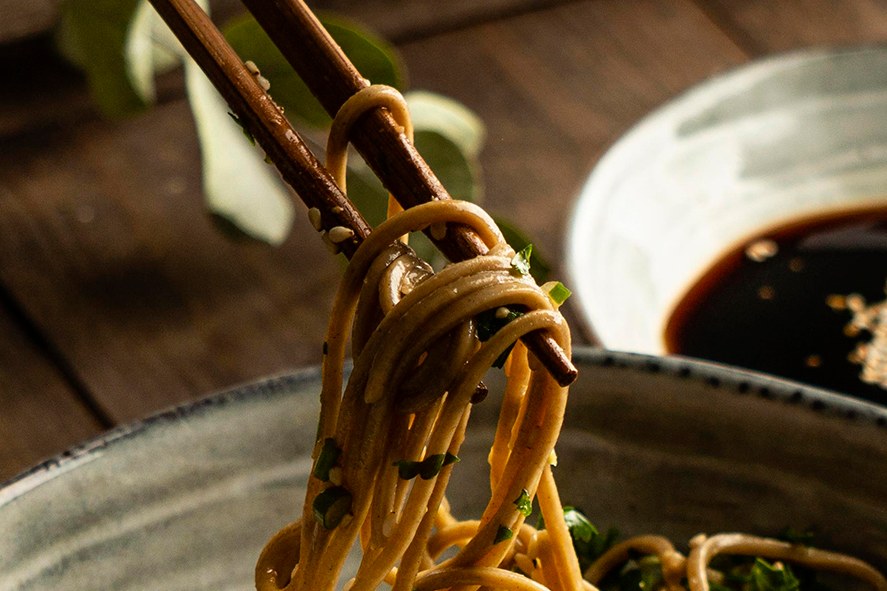
Pickleball is new to Japan, but community life isn’t. And food is always part of community. After matches, players often head out for soba noodles, rice bowls, tempura, or seasonal dishes. Some groups eat together every week, turning pickleball sessions into miniature social gatherings that blur the line between sport and tradition.
Food as Preparation and Respect
The Japanese approach to pre- and post-pickleball eating is not about superstition or fad diets. It’s a philosophy: Fuel lightly. Fuel cleanly. Fuel with intention.
It is an approach shaped by culture, sustained by community, and increasingly noticed by players worldwide. And in a sport defined by movement, mindfulness, and connection, it may be one of the most valuable lessons Japan brings to the global pickleball table.
The Pickleball Weekly Health & Wellness Staff covers health, fitness, nutrition, recovery, and performance topics that help players stay active and play their best.

Read the full magazine issue! This story appeared in the November 26, 2025 issue of The Pickleball Weekly.
