
The Home-Court Advantage
Team Vietnam brings star power, depth and A Roster Built to Compete
By The Pickleball Weekly Editorial Team
August 19, 2026 • 11 min read
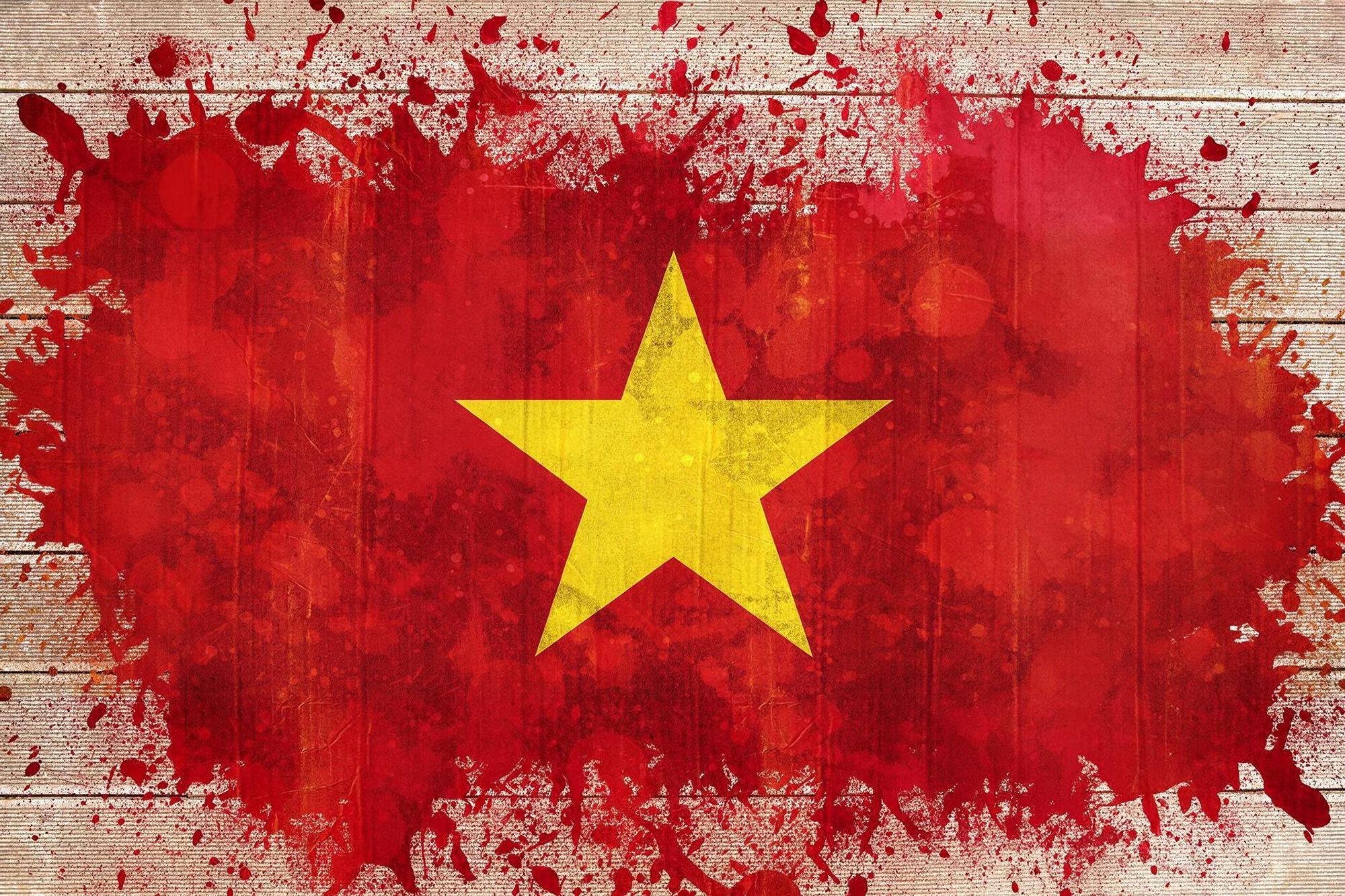
WHEN THE PICKLEBALL World Cup arrives in Da Nang, Vietnam will not simply be welcoming the world. It will be trying to beat it.
The host nation enters the 2026 Pickleball World Cup with one of the tournament’s deepest contingents, a roster featuring some of the most recognizable names in Vietnamese pickleball and the advantage of competing in front of a home crowd expected to make Da Nang one of the sport’s biggest international gatherings to date.
From August 30 through September 6, more than 5,000 athletes from 81 countries and territories are expected in Da Nang for a World Cup that stretches well beyond a single championship division. The national competition includes 156 teams across Open, Senior, Master, Junior and Kids categories, giving Vietnam an opportunity to compete on home soil across generations.
For the host country, the moment represents something even larger. Vietnam is no longer simply one of the places where pickleball is growing.
It has become one of the countries capable of contending on the world stage.
A Roster Built to Compete
Vietnam has assembled an Open roster that includes Do Minh Quan, Ly Hoang Nam, Quang Duong, Phuc Huynh, Truong Vinh Hien, Trinh Linh Giang, Ken Tam, Sophia Huynh Tran, Trang Huynh and Si Boi Ngoc.
It is a lineup that reflects the unusual path pickleball has taken in Vietnam, where established racquet-sport athletes have helped accelerate the level of competition.
Quang Duong brings extensive experience from the U.S. professional pickleball circuit and gives Vietnam a player accustomed to facing elite competition on some of the sport’s biggest stages. He is joined by a group of players who have increasingly become familiar names throughout Asian pickleball.
Ly Hoang Nam brings one of the most accomplished tennis backgrounds in Vietnamese sports. The former Wimbledon junior doubles champion built a successful professional tennis career before turning his attention toward pickleball. Do Minh Quan, another former Vietnamese tennis standout, brings years of high-level racquet-sport experience to the roster.
Trinh Linh Giang is another player whose background includes high-level tennis, giving Vietnam an unusual concentration of athletes who arrived in pickleball already possessing years of competitive experience, footwork and racquet skills.
Then there is Phuc Huynh, who provided one of the clearest demonstrations of Vietnam’s growing depth earlier this summer. At the 2026 Michelob ULTRA Asia Open in June, Huynh defeated Quang Duong in the semifinals before beating Ly Hoang Nam in the final to capture the professional men’s singles championship.
That result matters heading into the World Cup. Vietnam is not arriving with one dominant player surrounded by supporting pieces. Some of its biggest names have already been battling one another for championships at home.
Truong Vinh Hien and Do Minh Quan have also competed together at the PPA Asia level, while Sophia Huynh Tran has established herself alongside several of Vietnam’s leading players on the expanding Asian professional circuit. At the PPA Asia 500 Beijing Open in June, Ly Hoang Nam, Truong Vinh Hien, Do Minh Quan, Sophia Phuong Anh and Sophia Huynh Tran all advanced to the quarterfinal stage in their respective draws.
Ken Tam, Trang Huynh and Si Boi Ngoc complete an Open roster that gives the coaching staff options across the competition rather than forcing Vietnam to depend on a handful of recognizable names.
That depth may become one of the host country’s greatest strengths.

Group A Awaits
Home-court advantage will not eliminate the work Vietnam has to do.
In the Open division, 64 teams have been divided into 16 groups of four. Vietnam was drawn into Group A with Colombia, Chile and the Cayman Islands, creating an opening round that immediately puts the hosts across the net from three teams representing the Americas and Caribbean.
The draw provides a reminder of just how international the World Cup has become. The defending champion United States begins in Group B alongside Samoa, Iran and Bolivia.
For Vietnam, the opening group creates an interesting challenge. The host nation has the advantage of familiar surroundings and a crowd behind it, but there is little room for complacency in a four-team group. Every match matters, and every opponent brings a different style of play.
It also means Vietnam will have to establish itself immediately. There is no easing into the tournament while the roster finds its rhythm. The hosts will need to turn individual talent into a national-team performance from the opening rounds.
And the Group A designation extends beyond the Open competition. Vietnam’s Junior team will face Malaysia, Costa Rica and South Korea, bringing together young players from Asia and Central America in the same pool. In the Kids division, Vietnam is grouped with Australia and Singapore.
The result is a World Cup experience that will expose Vietnamese players at several stages of development to international competition without requiring them to leave their own country.
Vietnam’s Junior team will face Malaysia, Costa Rica and South Korea, bringing together young players from Asia and Central America in the same pool. In the Kids division, Vietnam is grouped with Australia and Singapore.
The result is a World Cup experience that will expose Vietnamese players at several stages of development to international competition without requiring them to leave their own country.

The Da Nang Advantage
Playing at home means more than having fans in the stands. Da Nang’s late-summer heat and humidity can become part of the competition itself. Ball behavior, physical endurance and the ability to maintain quality through long matches can all be affected by the environment, particularly for athletes arriving from dramatically different climates.
Vietnam’s players do not need an introduction to those conditions. They train and compete in them.
That familiarity could become increasingly valuable as the tournament progresses and fatigue begins to accumulate. International opponents will have to adjust not only to Vietnam’s players but also to the environment in which many of those players developed their games.
Then there is the crowd. This is the first time the Pickleball World Cup is being staged in Asia, with competition spread across Tien Son Sports Palace, Tuyen Son Sports Village and other courts and clubs throughout central Da Nang.
A World Cup at home gives Vietnamese pickleball fans something they have never had on this scale: the opportunity to watch their national team pursue an international championship without leaving the country. That energy could turn an already talented roster into a difficult opponent to face.
The Future Is Already on the Court
Vietnam’s ambitions in Da Nang are not limited to the Open division. The country has also registered a youth team featuring Le Xuan Duc, Tong Nhat Minh, Pham Hoai Anh, Bao Duong, Khang Tran, Sophia Phuong Anh, Dan Linh Huong and Jolie Lam.
Their presence gives this World Cup another layer for the host country.
The established names on Vietnam’s Open roster show what the country can put on the court today. The younger players provide an indication of what could follow.
In the Junior division, Vietnam will face Malaysia, Costa Rica and South Korea in Group A. The Kids competition creates another regional test, with Vietnam drawn alongside Australia and Singapore.
Those matches will not receive the same attention as the Open competition, but they may be every bit as significant to the long-term development of pickleball in Vietnam.
A sustainable national program cannot rely indefinitely on athletes transitioning from other racquet sports. Eventually, it needs players who grow up with a pickleball paddle in their hands and develop within the sport itself. That is what makes the youth divisions particularly important.
For Vietnam’s younger athletes, the World Cup offers international competition at home, exposure to players from other countries and the experience of representing their nation at one of the largest pickleball events they have encountered.
They will also be surrounded by Vietnam’s best players throughout the week. Young athletes can watch Quang Duong, Ly Hoang Nam, Phuc Huynh, Sophia Huynh Tran and the rest of the Open team prepare and compete while experiencing the expectations that come with wearing their country’s colors themselves.
The pathway from one generation to the next will be visible on the same courts in Da Nang.

More Than a Home Tournament
The World Cup itself is designed to extend beyond competition. Along with matches at Tien Son Sports Palace, Tuyen Son Sports Village and other courts and clubs around central Da Nang, the event will include training programs, a sports and technology forum, World Market and activities involving young athletes, entrepreneurs and other members of the international pickleball community.
That makes the week an opportunity for Vietnam to showcase more than its national team. It can showcase its place within the global growth of pickleball.
Leading players from the PPA and APP circuits are expected alongside competitors from around the world, bringing athletes including Roos Van Reek, Jack Munro, Vivian Glozman, Bobbi Oshiro, Jack Wong, Nicola Schoeman, Harsh Mehta and Jay Devilliers to Da Nang.
The event itself also reflects the speed at which pickleball has grown in Vietnam. Da Nang was selected to host the third edition of the World Cup and its first staging in Asia, putting the country at the center of the international game for seven days.
For a sport whose global landscape is still being built, bringing that many countries, players and levels of competition together in Vietnam matters.
Playing for Something Bigger
Spain arrived at this World Cup opportunity with a talented national program. India answered with a multigenerational team and growing international ambitions.
Vietnam enters from a different position. This time, the world is coming to them.
The courts are familiar. The climate is familiar. The crowd will be theirs. And the roster includes enough talent and experience to make the host country more than a ceremonial participant.
Vietnam also has something that may prove even more important than home-court advantage: competition within its own ranks. When Phuc Huynh can defeat Quang Duong and Ly Hoang Nam on the way to a major singles title, and multiple Vietnamese players are advancing deep into professional events across Asia, selecting a national team becomes less about finding enough capable players and more about deciding how best to use them.
Behind them is another generation getting its first opportunity to represent Vietnam on a World Cup stage. That combination makes Da Nang about more than whether Vietnam wins a championship.
It is a chance to see where Vietnamese pickleball stands now and how far it may still go.
When the first matches begin, Vietnam will have the advantage every host nation wants: its own courts, its own supporters and its own country behind it.
What it does with that advantage will determine whether hosting the 2026 Pickleball World Cup becomes another milestone in Vietnam’s rapid pickleball rise or the week the home team turned that rise into something much bigger. ●
About The Pickleball Weekly Editorial Team
The Pickleball Weekly Editorial Team produces in-depth reporting and cover features that examine the sport’s growth, innovation, competition, and culture. With contributors who understand both the strategy of the game and the forces shaping its future, the team is committed to telling the full story of modern pickleball.

Read the full magazine issue! Click below, then tap Full Screen for the best reading experience.
