The Seasonal Shift from Outdoor to Indoor Play
By The Pickleball Weekly Editorial Team • Nov 12, 2025 • 6 min read
FOR MUCH OF the year, pickleball is played outdoors under bright skies and warm air. Players fill local parks from morning through evening, drawn to fresh air and the familiar rhythm of paddles meeting ball.
But once autumn settles in, the season brings change. Temperatures drop, the wind picks up, daylight fades earlier, and many players find players across much of North America and Europe face a familiar transition, the migration to indoor play to keep the games going.
Switching to Indoors
As daylight hours shorten, evening games outdoors often become harder to schedule, if not impossible. Outdoor lights help for a while, but the colder temperatures and unpredictable weather push many players to seek indoor options. Across the U.S., private clubs, community centers, school gyms, recreation facilities, churches, and YMCAs are filling up with players to capacity who are looking to continue their weekly pickleball routines.
According to the Sports & Fitness Industry Association (SFIA), pickleball remains the fastest-growing sport in the United States for the third year in a row, and participation continues to expand across all seasons. The shift indoors during late fall and winter has become part of that rhythm of growth.
Indoor play brings comfort and reliability. There is no wind, no rain, and no guesswork about when the weather will cooperate. Players can sign up for private sessions, join winter leagues, play in tournaments, or attend clinics to improve their skills..
Adjusting to Indoor Play
Indoor pickleball comes with its own rhythm. The echo of the facility, the different playing surfaces of the floor, the indoor lighting all affect play, and even the color of the walls or glass windows.
But the most noticeable difference comes from the ball itself. Indoor pickleballs have larger holes and a slightly lighter feel, which makes them move differently through the air. Players often find that they need to hit a little softer or adjust their timing for controlled shots and dinks since the ball comes off the paddle differently.
“The ball reacts differently indoors,” notes USA Pickleball, which provides specific rules for both indoor and outdoor play. The smaller holes in outdoor balls help them resist wind, while indoor balls are designed for a smoother flight inside a gym.
For many, indoor pickleball has become a winter training ground rather than a substitute for summer play as they develop more touch and precision before returning to outdoor play in spring. Meanwhile, most advanced players choose to play with an outdoor ball year-round if the indoor courts have Acrytech surfacing or similar.
The Cost of Staying Active
For those who play pickleball several times a week, moving indoors comes with a price.
Private pickleball clubs have gained popularity in colder regions, offering monthly or annual membership options that include open play, lessons, leagues, and tournaments on climate-controlled courts. Recreation departments are also adjusting, expanding indoor schedules and converting underused basketball gyms into temporary pickleball spaces.
While most outdoor courts are free, indoor courts often cost between $5 to $20 per session, if not more, plus membership fees. For frequent players, that adds up quickly, especially for those who join multiple locations. Often, there are also more players than indoor court availability, meaning play isn’t guaranteed, and court reservations or signups in advance are a must to play.
Despite the added cost, the motivation to stay active keeps most players engaged. Pickleball’s social energy, combined with the need for exercise during the colder months, has made indoor programs one of the most requested recreation offerings nationwide.
The Winter Warriors
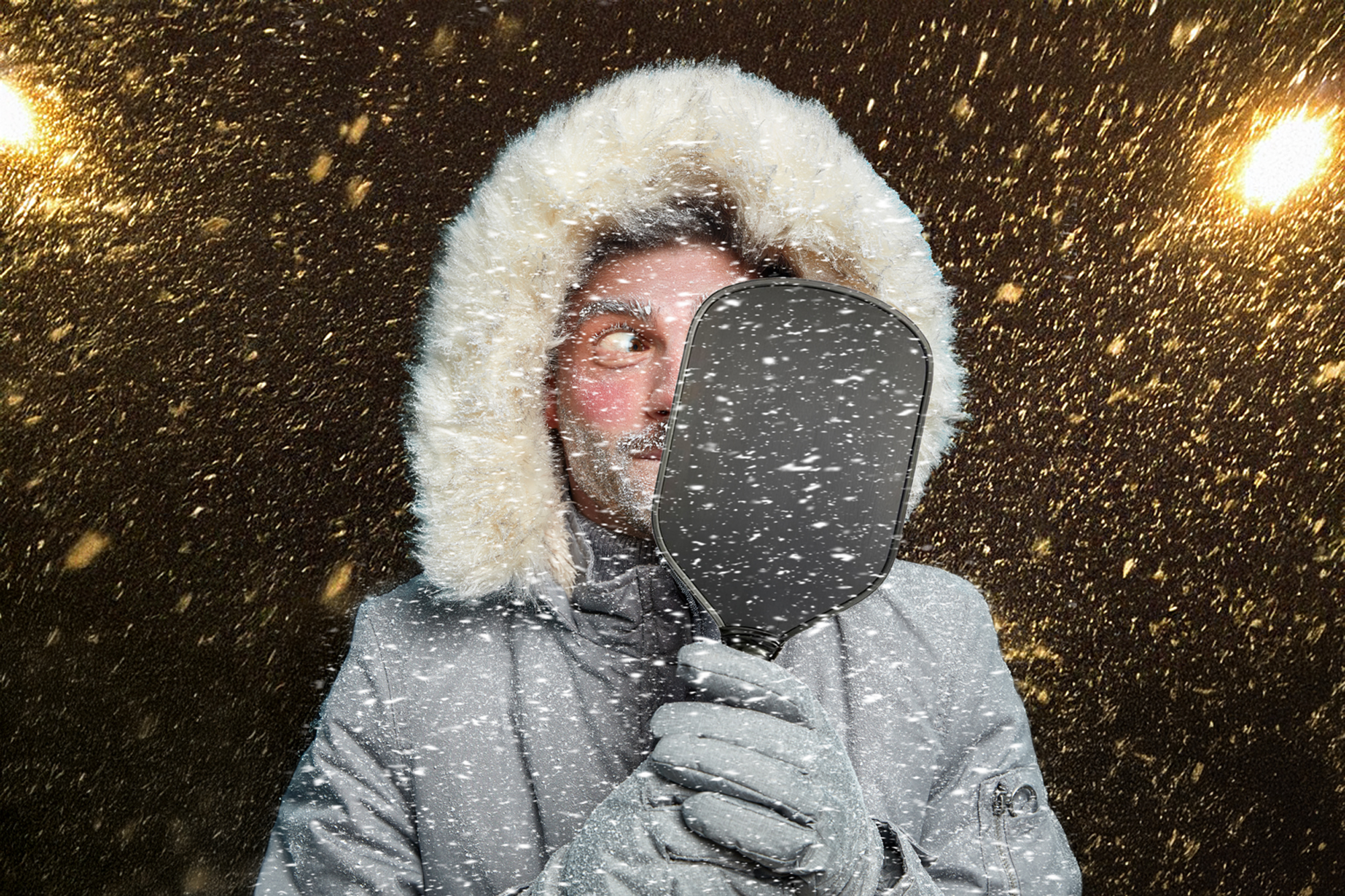
Not everyone heads inside. Every community has its winter “warriors,” those who continue to play outdoors despite the chill and shorter days. They wear gloves with hand warmers, dress in layers, and take advantage of every hour of daylight or the glow of park lights. For these players, the cold adds challenge and camaraderie. Braving the cold is part of the fun.
Wind and temperature change how the ball behaves outdoors, often slowing play and testing footwork. Many say that battling the elements builds both skill and toughness. When asked why they keep playing in near-freezing weather, the answer is usually simple. They love the game too much to stop.
“I’d rather play with frozen fingers than skip a day,” one player in Michigan joked to his local newspaper last winter. Similar sentiments echo in online pickleball communities throughout the northern states and Canada, where outdoor games continue through much of the year as long as courts remain dry.
A Game for All Seasons
Whether warm and under indoor lights or bundled up outside, players are finding ways to keep their paddles moving year round. The growing number of indoor clubs and community spaces shows that the sport’s momentum doesn’t stop with the weather. The setting may change, but the sound of paddles and laughter continues to echo—indoors, outdoors, and everywhere in between.
The Pickleball Editorial Team produces in-depth reporting and cover features that examine the sport’s growth, innovation, competition, and culture. With contributors who understand both the strategy of the game and the forces shaping its future, the team is committed to telling the full story of modern pickleball.

Read the full magazine issue! Click below, then click on the X in the lower bar to enjoy a full screen view!