Win the Point Even Before Hitting the Ball
Reading patterns, anticipating replies and positioning for the next shot
By Stephen Pyka
January 28, 2026 • 3 min read
IN PICKLEBALL, the best players often look like they’re moving early, arriving on time, and hitting easier shots. That’s not luck or superior speed. It’s anticipation. Long before the ball reaches their paddle, they’ve already read the rally, predicted the likely response, and positioned themselves for what’s coming next.
Winning the point before you hit the ball is about seeing the game one shot ahead. It’s the difference between reacting and controlling.
Patterns Are the Language of Pickleball
Most pickleball rallies follow familiar patterns, especially in doubles. Crosscourt dinks dominate because they travel over the lowest part of the net and offer the greatest margin. Speedups often come from the middle or from a ball that sits up just a little too high. Third-shot drops invite a soft reply, while a floated return invites a drive.
Once you start recognizing these patterns, rallies feel less random. They become readable. And when you can read the rally, you can prepare for the next ball instead of scrambling for the current one.
Ask yourself during play: What shot does this ball usually produce? Over time, the answers become automatic.
Paddle Position Tells a Story
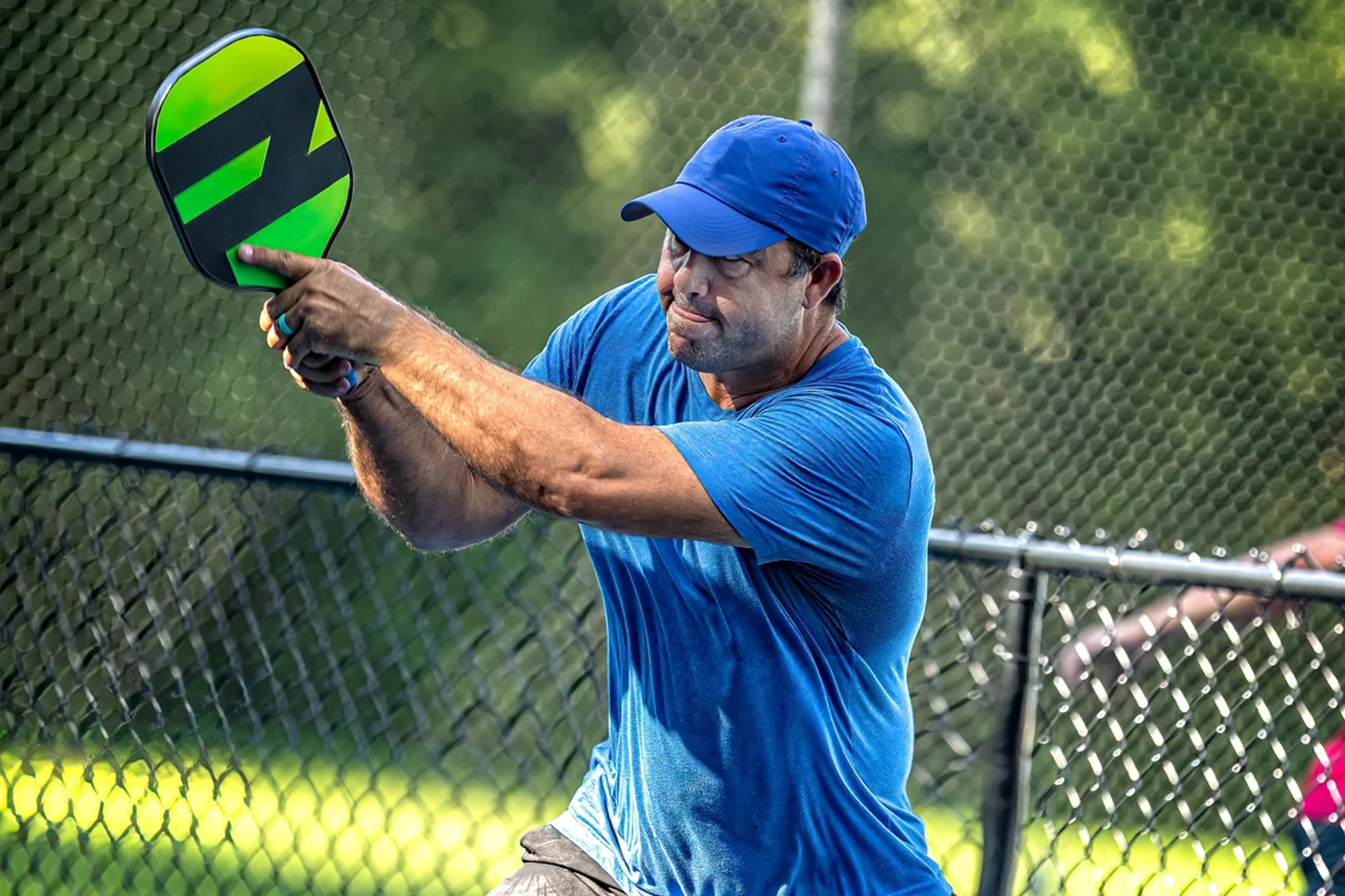
One of the most underused clues in pickleball is your opponent’s paddle preparation. A paddle held low and open often signals a dink or drop. A higher backswing and closed face usually indicate a drive or speedup. A rushed, late setup often leads to a defensive block or pop-up.
You don’t need to guess perfectly. You just need enough information to narrow the possibilities. If you’re expecting a speedup, your paddle should already be up and centered. If you’re expecting a dink, you should be balanced and ready to move laterally rather than forward.
Anticipation starts with watching how your opponent is preparing, not just where the ball is going.
Positioning Is a Prediction, Not a Reaction
Good court positioning isn’t about where the ball is. It’s about where the next ball is likely to go.
If you hit a crosscourt dink, expect the reply to come back crosscourt and shade your positioning accordingly. If your partner speeds the ball up down the line, anticipate a defensive block that leaks toward the middle. If you push your opponent wide, expect a shorter, more defensive reply and be ready to step in.
This doesn’t mean abandoning your side or overcommitting. It means small, intelligent adjustments; half-steps, paddle shifts, and body angles that prepare you for the highest-percentage response.
The Middle Is a Strategic Signal
The middle of the court is more than a target. It’s an information source. Balls hit through the middle often produce confusion, late contact, or weaker replies. When you attack the middle, you should already be thinking about where the next ball will come from, often back through the middle again.
Smart players don’t just aim middle; they wait middle. Paddle up, elbows in, eyes forward. They’re positioned not for the winner, but for the continuation of the rally, and that’s where many points are actually won.
Shot Selection Shapes the Next Shot
Every shot you hit sends a message. A soft dink invites patience. A hard drive invites hands. A low, dipping drop forces an upward reply. A high, floating ball invites punishment.
If you want to win the point before you hit the ball, choose shots that produce predictable outcomes. High-percentage pickleball isn’t about surprise. It’s about control. You want to know, within a narrow range, what your opponent is likely to do next.
When you shape the rally this way, you’re no longer guessing. You’re directing.
Move With Your Partner, Think as One
In doubles, anticipation is a shared responsibility. When one player moves, the other should already be adjusting. If your partner shifts wide to cover a dink, you slide toward the middle. If your partner steps in on a short ball, you close behind them.
The teams that look “in sync” aren’t communicating verbally every point. They’re reading the same patterns and reacting to the same cues. That shared anticipation shrinks gaps and turns defensive moments into neutral or offensive ones.
Slow the Game Down Mentally
Ironically, anticipation improves when you stop rushing. Players who feel hurried tend to watch the ball late and react emotionally. Players who stay composed see more.
Between points, reset your focus. During rallies, trust your read. Even if you’re wrong occasionally, the habit of thinking one shot ahead will win far more points than it costs.
Game Point
Winning the point before you hit the ball isn’t about speed, power, or flashy shots. It’s about awareness. Read the patterns. Watch the paddle. Position with intention. Choose shots that shape the reply. Do that consistently, and the game starts to feel slower even as the rallies get faster. ●

About Stephen Pyka
Stephen Pyka is a PPR-certified coach, three-time brand ambassador, and Director of Pickleball at Glastonbury Tennis Club. He brings decades of experience in racquet sports, club leadership, player development, and instruction, including previous roles as a PGA golf instructor and competitive racquetball athlete. Passionate about growing the sport, he leads clinics, workshops, and DUPR events that help players of all ages and skill levels improve their game, build confidence, and reach their full potential.

Read the full magazine issue! Click below, then tap Full Screen for the best reading experience.