Photo credit: RIA Eyewear
See the Game, Protect the Player
Why protective eyewear belongs on every court
By Stephen Pyka
April 1, 2026 • 3 min read
I DID NOT always wear protective eyewear on the pickleball court.
Like many players, I started out focused on feel, touch, and repetition. Eye protection was not part of the routine. It was not something most players around me were wearing, and it was not something I thought about as essential to the game.
That changed quickly.
The Moment That Changed Everything
During a speed drill, I was working on fast hands at the kitchen with rapid exchanges, short reaction time, high pace. In one sequence, the ball deflected off my paddle at close range and came straight back at me. I took the full impact directly in my right eye.
The force was strong enough that my glasses flew off my face and hit the ground, breaking into three separate pieces: the lens, the left side of the frame, and the right side of the frame. It all happened in an instant.
My eye, however, was completely fine. No damage. No lingering issue. No recovery needed.
That moment made something very clear. Without eyewear, that outcome would have been very different.
Why This Happens More Than You Think
Pickleball is played in a confined space with quick reactions and close proximity, especially at the net. Balls travel fast, but more importantly, they change direction quickly. Deflections off paddles, mishits, and ricochets are part of the game.
At the kitchen line, you are often just a few feet from your opponent. Reaction time is limited. You are not always able to move out of the way. This is where eye injuries happen. It is not about skill level. It is about exposure.
Seeing Clearly Matters
Protective eyewear is not just about safety. It also improves how you see the game.
Quality lenses help reduce glare, improve contrast, and allow you to track the ball more cleanly, especially in outdoor conditions. Whether you are playing under bright sun or shifting light, clarity matters. When you see the ball better, you react better. When you react better, you play better.
There is no trade-off between protection and performance. The right eyewear supports both.
Built for the Way Pickleball Is Played
Not all eyewear is created equal. Pickleball requires gear that can handle movement, impact, and comfort over extended play.
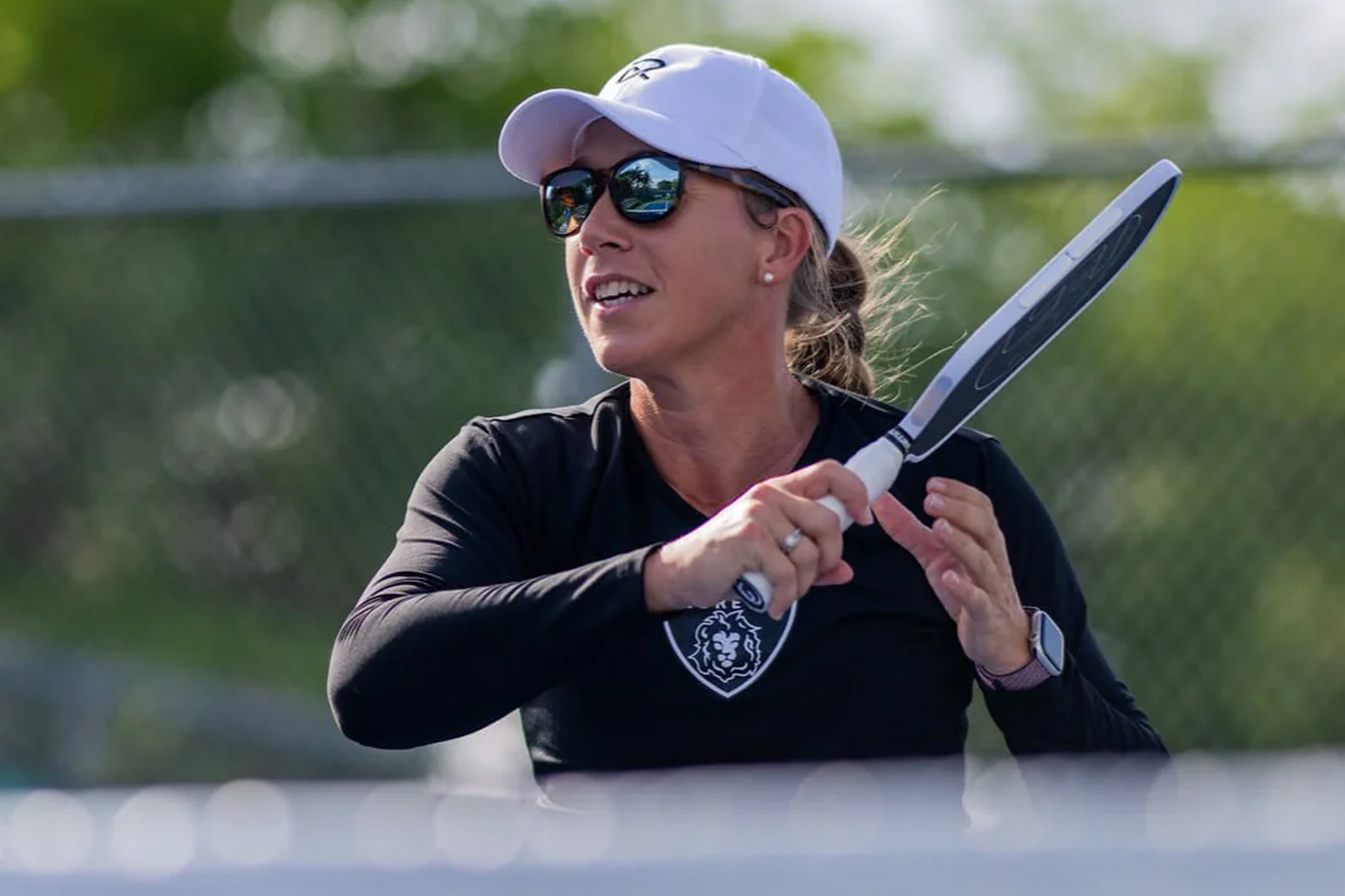
I wear the RIA Eyewear Reflex model, and it has become part of how I step onto the court. The fit is secure. The lenses are clear. Most importantly, it is designed to withstand the kind of impact that can happen in a split second.
As my experience showed, that protection is not theoretical. It is real.
What Happened After
After the incident, I reached out to RIA Eyewear, sent them photos, and explained what happened. Within 72 hours, they had sent a replacement.
That level of responsiveness matters. It reflects a company that understands the sport, the risks, and the players who rely on their products.
What I Tell My Players
As a coach, I now approach this differently. I encourage every player I work with—beginners, intermediates, advanced players—to wear protective eyewear. Not occasionally. Not situationally. Consistently.
It is not about fear. It is about awareness.
You prepare your paddle. You choose the right shoes. You think about your positioning and your strategy. Eye protection should be no different.
The Reality of the Game
Pickleball is fast, social, and accessible. That is part of what makes it special. It is also played in close quarters, with unpredictable ball movement and limited reaction time. Those two realities exist together. Protective eyewear is a simple step that acknowledges both.
The Bottom Line
I wear protective eyewear every time I step on the court. Not because I have to. Because I understand what can happen without it. You only get one set of eyes. ●

About Stephen Pyka
Stephen Pyka is a PPR-certified coach, three-time brand ambassador, and Director of Pickleball at Glastonbury Tennis Club. He brings decades of experience in racquet sports, club leadership, player development, and instruction, including previous roles as a PGA golf instructor and competitive racquetball athlete. Passionate about growing the sport, he leads clinics, workshops, and DUPR events that help players of all ages and skill levels improve their game, build confidence, and reach their full potential.

Read the full magazine issue! Click below, then tap Full Screen for the best reading experience.