
Dinner the Night Before a Tournament
What to eat to arrive fueled, hydrated and ready for a long day of play
By Michael Falco • Certified Master Trainer, ISSA Personal Trainer, ISSA Nutritionist
October 28, 2026 • 5 min read
Tournament preparation usually focuses on what happens on the court. Players drill their third-shot drops, practice serves, pack extra paddles and check the draw one more time before bed. Dinner can become an afterthought. Yet the meal you eat the night before a tournament is part of your preparation, too.
A pickleball tournament can mean hours at the venue, multiple matches and repeated bursts of quick movement with unpredictable amounts of recovery between games. Your evening meal won’t determine the outcome of your tournament, but it can help make sure you begin the day with energy available rather than trying to catch up after the first match.
The goal isn’t an enormous plate of pasta or a special “performance” meal. For most pickleball players, it is much simpler: emphasize carbohydrates, include a moderate portion of lean protein, choose foods you know you digest well and begin the tournament properly hydrated.
Put Carbohydrates at the Center
Carbohydrates are an important source of energy during exercise. The body can store carbohydrate as glycogen in the muscles and liver, providing fuel that can be used during activity.
The night before a tournament, foods such as rice, pasta, potatoes, sweet potatoes or quinoa can provide the carbohydrate foundation of dinner.
This doesn’t mean tournament players need to “carb load” as though they were preparing for a marathon. Full-scale carbohydrate loading may not be necessary for an event that doesn’t involve continuous high-intensity activity for several hours. A better approach is to fuel for the work you expect to do.
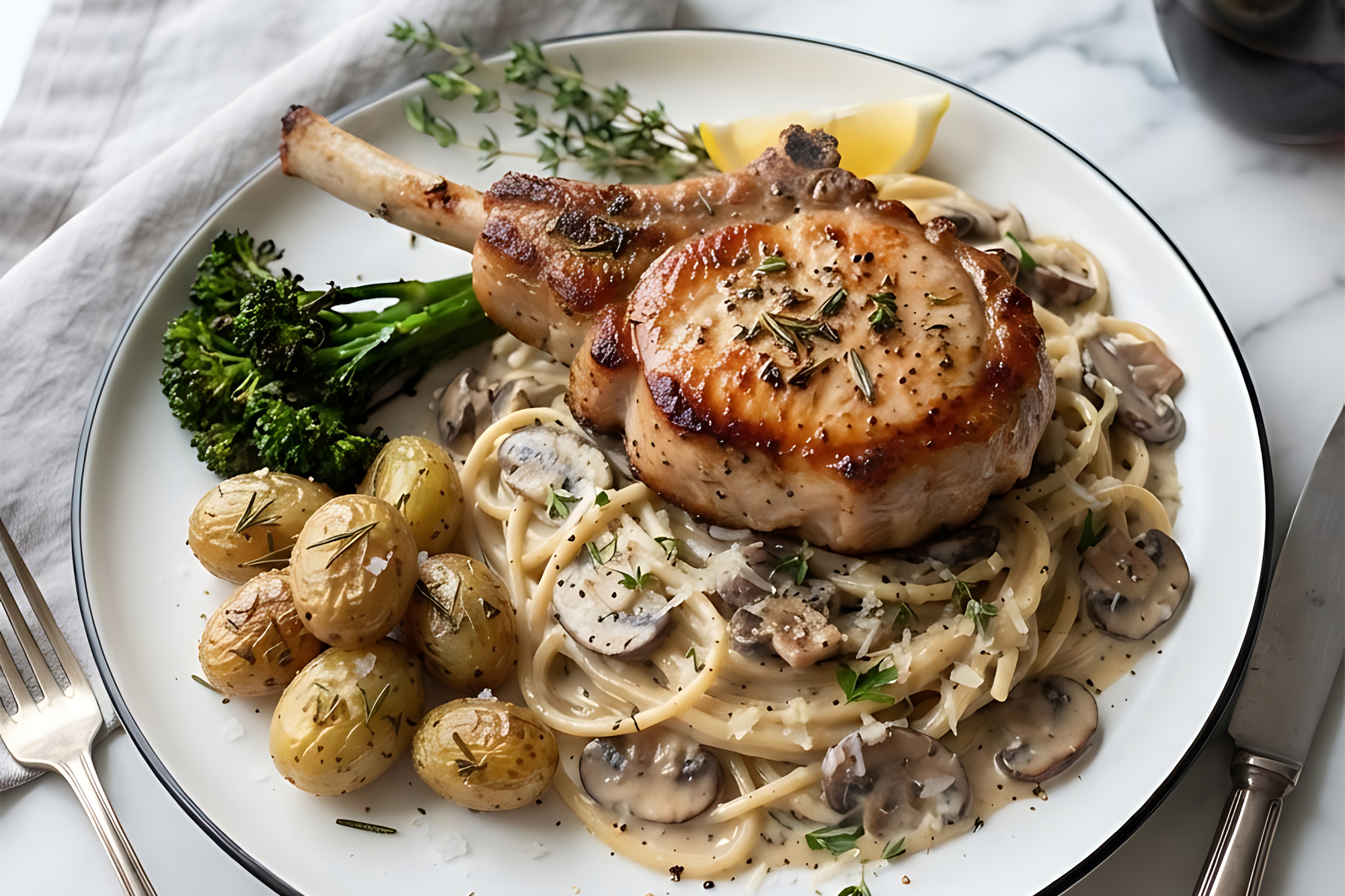
Think of dinner as topping off the tank, not overflowing it. A familiar meal such as grilled chicken with pasta and marinara, salmon with a baked sweet potato, or lean beef with rice and cooked vegetables provides carbohydrates while still resembling a normal dinner.
Add Lean Protein
Protein belongs on the plate, but the night before competition isn’t the time to turn dinner into an oversized steak dinner.
A moderate serving of lean protein complements the carbohydrate portion of the meal and supports muscle maintenance and recovery. Chicken, turkey and fish are straightforward options.
The balance matters. A tournament-eve dinner should be primarily focused on providing energy for the following day rather than loading the digestive system with a large, protein-heavy meal. One sports dietitian cited in the supplied research recommends a dinner consisting mostly of carbohydrates with a moderate amount of protein.
Keep the preparation simple as well. Grilled, baked or roasted foods are generally a better choice than meals covered in rich sauces or fried in large amounts of fat.
Keep Your Dinner Easy to Digest
More food doesn’t automatically mean more energy the next morning. A huge dinner can leave you feeling overly full and uncomfortable rather than prepared. High-fat and fried foods take longer to digest, while excessive fiber can contribute to gas, bloating or other gastrointestinal discomfort.
Vegetables can certainly be part of the meal. A smaller portion of cooked vegetables may be easier to tolerate than suddenly eating an enormous raw salad, particularly for someone who is sensitive to high-fiber meals before competition.
The same principle applies to foods you rarely eat. Tournament eve isn’t the night to experiment with an unfamiliar restaurant, a new cuisine or something you already know can upset your stomach.
Your pre-tournament dinner should be predictable. Competition provides enough variables without adding dinner to the list.
Start Hydrating the Day Before
Many players think about hydration when they fill their water bottle before leaving for the courts. By then, they may already be playing catch-up.
Hydration should begin well before the first match. Drinking water steadily throughout the day and evening before competition is preferable to trying to consume a large amount immediately before play.
This becomes particularly important when the tournament will be outdoors, conditions are hot or humid, or you know you tend to sweat heavily. Electrolytes may also be useful when heavy sweating is expected for an extended period.
Alcohol is best left out of the tournament-eve plan if the objective is to arrive hydrated and ready to compete.
There is no advantage in going to bed feeling waterlogged, either. The objective is steady hydration leading into competition, not an enormous amount of fluid immediately before sleep.
Stick With What You Know
Tournament morning isn’t the ideal time to discover that a new food doesn’t agree with you, and neither is the night before. One of the most consistent themes in sports nutrition is familiarity. Foods you’ve eaten before practices, long recreational sessions or previous tournaments give you useful information about how your body responds.
A meal that looks perfect on paper isn’t perfect for you if it consistently leaves you bloated, uncomfortable or hungry two hours later. This is also why tournament nutrition is worth practicing. If you have an important event approaching, pay attention to what you eat. Notice how you sleep, how hungry you are the following morning and how you feel once you begin playing. By the event weekend, dinner shouldn’t require much thought. You should already know what works.
Keep the Entire Plate Simple
A practical tournament-eve dinner doesn’t require special sports foods or complicated nutrition calculations. Start with a carbohydrate you regularly eat, such as rice, pasta or potatoes. Add a moderate portion of lean protein such as chicken, turkey or fish. Include a smaller serving of cooked vegetables if they are normally part of your diet. Drink water with the meal and continue hydrating through the evening.
What you leave off the plate can be just as important. Skip the greasy takeout, oversized portions, unfamiliar foods and anything you already know tends to cause digestive problems.
Set Up Tournament Morning
Dinner is only the first part of the plan. The morning meal should again emphasize carbohydrates, remain relatively low in fat and consist of foods you have successfully eaten before activity. When possible, eating several hours before competition gives the body time to digest. Players with an early start may need a smaller meal followed by appropriate snacks closer to playing time
An all-day tournament also requires continued fueling. What you ate the night before cannot carry you through multiple matches by itself. Fluids, carbohydrates and easily digested snacks between matches help maintain energy as the day progresses. The night-before meal simply gives you a better starting point.
Win Dinner Before You Play
Tournament preparation doesn’t have to become complicated. Eat a familiar dinner built around carbohydrates and lean protein. Keep excessive fat and fiber under control. Hydrate steadily. Avoid experimenting with unfamiliar foods. Then get some sleep and continue your fueling plan in the morning.
You can’t control your draw, the weather, how long your matches will last or whether your first opponent happens to be having the best day of their life. You can control how you arrive at the court.
Good tournament nutrition starts before you ever pick up the paddle. ●
Build Your Tournament-Eve Plate
Keep dinner familiar, balanced and easy to digest.
Carbohydrates
Make rice, pasta, potatoes, sweet potatoes or quinoa the foundation of your meal to help top off energy stores for tournament day.
Lean Protein
Add a moderate portion of chicken, turkey, fish or another familiar lean protein.
Cooked Vegetables
Choose a smaller serving of easily digested cooked vegetables rather than loading your plate with a large, high-fiber salad.
Fluids
Drink water steadily throughout the day and evening rather than trying to catch up on hydration the morning of the tournament.
About Michael Falco
Michael Falco is a Certified Master Trainer and ISSA Personal Trainer, an ISSA Nutritionist, and an FWI Certified Life Coach. He trains clients at LA Fitness in North Wales, PA, and writes the Health & Wellness column for The Pickleball Weekly.

Read the full magazine issue! Click below, then tap Full Screen for the best reading experience.
