
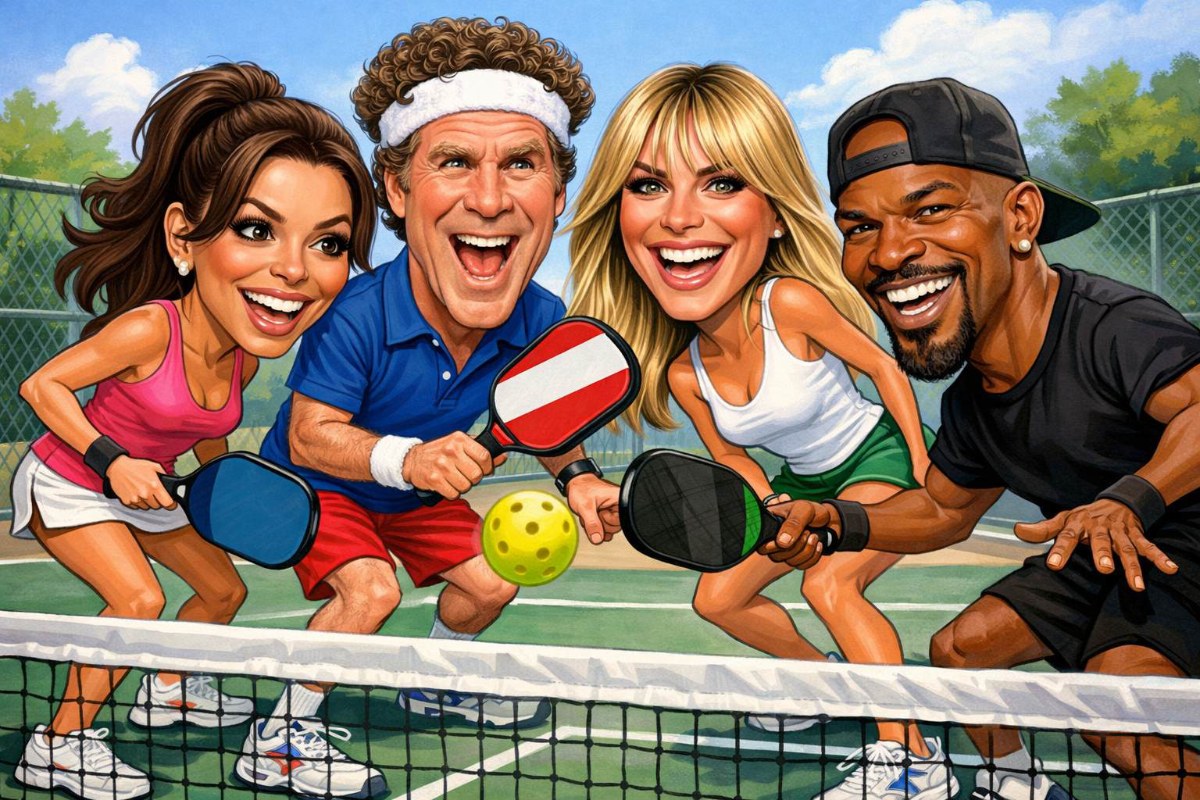
Pickleball Eye Injuries Surge Among Players and Celebrities
By The Pickleball Weekly Health & Wellness Staff
December 24, 2025 • 4 min read
PICKLEBALL’S explosive rise has brought communities together, filled parks and gyms, and spurred the creation of private pickleball club franchises across the U.S. But behind the laughter, rallies, and rapid growth of the sport, a concerning trend has emerged. Eye injuries are increasing sharply among pickleball players.
These injuries range from minor bruising and black eyes to serious trauma that can threaten vision. Health professionals are urging players of all ages and skill levels to take notice and take protective steps. And as recent high-profile incidents show, even celebrities playing pickleball aren’t immune.
A Growing Problem as Pickleball Soars
New research analyzing decades of U.S. emergency room data reveals a dramatic rise in pickleball-related eye injuries in recent years. Between 2005 and 2024, an estimated 3,112 eye injuries linked to pickleball were reported nationwide, with approximately 1,262 occurring in 2024 alone. From 2021 to 2024, injuries increased by an estimated 405 cases per year, closely mirroring the sport’s rapid surge in participation.
The data also highlights a key demographic trend. About 70% of reported eye injuries occurred in players aged 50 and over. Factors such as slower reaction time, balance challenges, and reduced muscle strength may contribute to this increased risk.
What’s Causing the Injuries?
Health data and expert analysis point to a few common scenarios that lead to eye trauma on the pickleball court:
- Direct hits from ball: The most frequent cause, accounting for nearly half of reported cases.
- Falls: Players slipping or losing balance can land face-first or receive unexpected contact.
- Paddle impacts: Accidental hits from paddles can still injure the eye.
- Protective eyewear: Not wearing any.
Reported injuries range from periocular lacerations and corneal abrasions to more severe conditions such as orbital fractures, retinal detachment, and globe trauma, all of which require immediate medical attention.
Even Celebrities Are Getting Hit
Eye injuries aren’t limited to weekend warriors or rec league players. In recent years, several well-known figures have publicly shared their own pickleball mishaps, bringing national attention to the risks.
In December 2023, actress Michelle Pfeiffer posted on Instagram revealing a black eye sustained while playing pickleball with friends. In a caption, she jokingly warned players to “stay out of the kitchen,” adding humor to what could have been a far more serious injury. While Pfeiffer emphasized that the injury was minor, the images quickly went viral and underscored how easily a mistimed shot can lead to facial trauma, even during casual play.
NBC TV journalist Savannah Guthrie shared her own pickleball injury story in August 2022, after accidentally striking herself above her eye with her paddle during a match. The result was an immediate and significant lump. While Guthrie later joked that “the embarrassment hurt more than the injury,” her experience highlighted how quickly unexpected movements and close-quarters play can lead to impact injuries.
More recently, former pro tennis star Eugenie Bouchard drew attention to the issue from a competitive angle. During a December 2024 training session, Bouchard was struck directly in the eye by a mishit pickleball off her partner’s paddle. She later shared that she required urgent care and was diagnosed with a scratched cornea, temporarily wearing an eye patch while recovering. Though the injury was expected to heal within days, her experience served as a stark reminder of how fast and unforgiving the pickleball game can be, especially near the kitchen line.
Why This Matters to Players
Pickleball’s smaller court size, fast-moving ball, and close proximity between players create conditions where eye injuries can happen quickly and unexpectedly. Combined with an aging player population and increasingly aggressive play, the risk continues to rise.
Despite this, there are currently no mandatory eye-protection requirements for casual or competitive play, and major governing bodies have yet to issue standardized guidelines.
Experts Urge Protection and Awareness
Eye-care professionals increasingly recommend protective eyewear, similar to what is commonly used in racquetball and squash. ASTM-rated polycarbonate eyewear designed to wrap around the face can significantly reduce the risk of direct eye impact.
Doctors also emphasize the importance of seeking medical attention after any eye impact, even when symptoms seem mild. Early evaluation can prevent complications that may affect long-term vision.
How Players Can Stay Safe
To help reduce the risk of injury, players should:
- Wear protective eyewear during all play.
- Communicate on court with partners and opponents to avoid unexpected contact.
- Practice awareness of ball trajectories, especially near the net.
- Warm up and keep good footing to avoid falls.
Rallying Toward Safety
Pickleball’s popularity shows no sign of slowing, and with millions of Americans embracing the sport, understanding the risks has never been more important. While celebrity injuries help humanize the issue, the statistics tell a broader story: eye injuries are becoming far more common, and prevention matters.
At its best, pickleball brings people together across generations and skill levels. With greater awareness and the right safeguards, we can keep those moments fun, competitive, and safe. ●
About The Pickleball Weekly Health & Wellness Staff
The Pickleball Weekly Health & Wellness Staff covers health, fitness, nutrition, recovery, and performance topics that help players stay active and play their best. With contributors who explore everything from injury prevention and conditioning to mental wellness, healthy aging, nutrition, and recovery, the team is committed to providing practical insights that support players both on and off the court.

Read the full magazine issue! Click below, then tap Full Screen for the best reading experience.
