
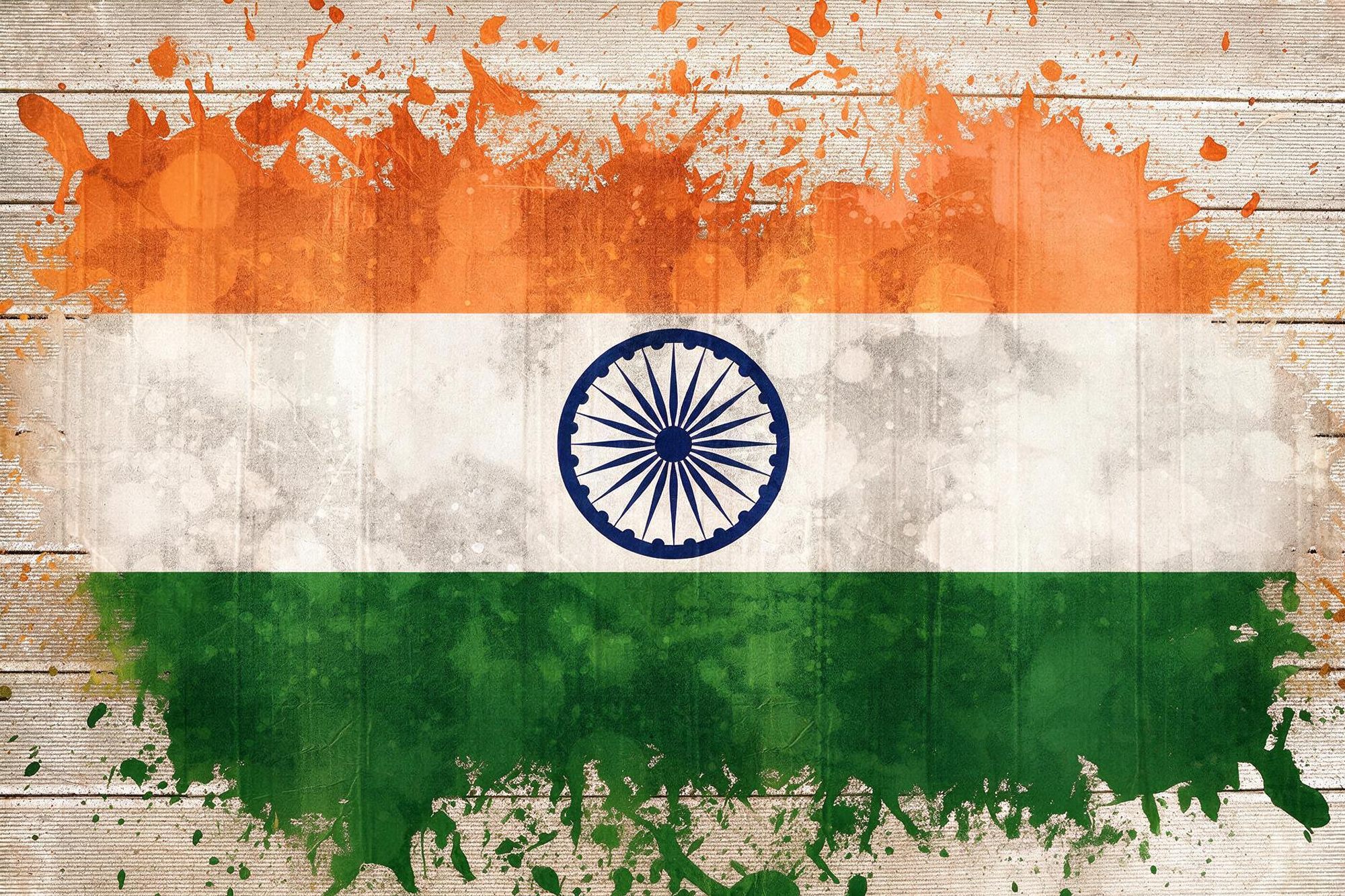
India Answers the Call
The next chapter of pickleball’s story is unfolding around the world
By The Pickleball Weekly Editorial Team
August 12, 2026 • 8 min read
THE INVITATION ARRIVED in April.
On behalf of the organizing committee of the 2026 Pickleball World Cup, India was formally invited to send a national delegation to Da Nang, Vietnam, for a tournament that will bring the World Cup to Asia for the first time.
Four months later, India is no longer simply an invited nation. It is arriving with expectations.
From August 30 through September 6, the Indian Pickleball Association will send players spanning five competitive divisions to Da Nang: Under-14, Under-18, Open, 50+ and 60+. It is a roster that stretches across generations and, perhaps more importantly, illustrates just how quickly pickleball in India is evolving.
The 2026 World Cup itself represents another step in the sport’s international expansion. Da Nang officials expect approximately 4,000 participants from 80 countries and territories, with competition spread across multiple venues in the city.
India will not be traveling simply to participate. It is going to compete.
A Team Built Across Generations
There may be no better way to understand India’s World Cup team than to look at the ages and backgrounds of the athletes wearing the same national colors.
At one end is 15-year-old Arjun Singh, captain of India’s Under-18 team and also a member of its Open squad. At the other are accomplished athletes such as Nitten Kirrtane and Bhushan Akut, who built elite careers in other racquet sports long before pickleball became an international phenomenon.
Kirrtane, captain of India’s 50+ team, brings a résumé rooted in high-level tennis. Akut, who will lead the 60+ contingent, competed internationally in badminton and reached No. 23 in the world in men’s doubles.
Now those athletic histories converge on a pickleball court. That makes India’s team particularly interesting. Pickleball is often discussed as a sport capable of crossing age barriers recreationally. India is demonstrating that the same principle can exist at the elite international level.
Former international athletes are representing the country alongside teenagers who are growing up with pickleball as a competitive sport in its own right. It is less a passing of the torch than several generations carrying it at the same time.

Harsh Mehta Leads the Open Team
At the center of India’s Open campaign is captain Harsh Mehta.
The men’s squad includes Mehta, Arjun Singh, Anish Frolian and Aman Patel. Mihika Yadav, Aaliyah Ebrahim, Pearl Amalsadiwala and Naomi Amalsadiwala make up the women’s contingent. The roster was selected following a competitive process overseen by the Indian Pickleball Association.
Mehta has made clear that India’s ambitions extend well beyond individual performances.
“Talent wins matches, but unity wins championships,” he said following the team’s announcement, emphasizing the importance of competing for one another and for India.
That mentality will matter in Da Nang, where representing a country changes the equation. Individual rankings and accomplishments remain important, but success at the World Cup carries a different responsibility.
The name on the front of the jersey matters more than the one on the bracket.

Experience at 50+ and 60+
India’s depth becomes particularly apparent in the senior divisions.
Kirrtane leads the 50+ squad, which includes Kiran Salian, Atul Edwards, Gaurika Chopra, Akhil Mathur, Pearline Roopkumar, Nilesh Desai and Kavita Khanna.
The 60+ team is captained by Akut, joined by Thakurdas Rohira, Ajeet Bhardwaj, Shakuntala Devnani and Petulia Balaji.
The presence of accomplished former athletes in these divisions adds another dimension to India’s challenge.
Experience cannot replace execution, but athletes who have already lived through international competition understand pressure differently. They know what it means to represent a country, prepare for major events and perform when the stakes extend beyond an ordinary tournament.
For India’s younger players, that experience exists within their own delegation.
India’s Next Generation Arrives
Then come the juniors. Arjun Singh will carry double duty in Vietnam, competing with the Open team while captaining India’s Under-18 squad. He will be joined by Aditya Singh, Naomi Amalsadiwala, Dev Shah, Purvansh Patel, Vivaan Patel, Ashritha Raju and Diya Mattipati. Veer Shah captains the Under-14 team alongside Viransh Chopra, Aarin Ballani, Mahika Rathod, Maansi Kartik and Aashritaa S.
Their presence may ultimately say more about the future of Indian pickleball than any medal won in Da Nang.
These are athletes entering the sport at an age when pickleball can become a first competitive choice rather than a second sport discovered after years in tennis, badminton or another racquet discipline. That distinction matters.
A country that develops junior players alongside Open and senior competitors is not merely assembling a team for one World Cup. It is beginning to build continuity.
Building More Than a Roster
India’s preparation for Da Nang extends beyond player selection. The national program enters the World Cup with growing commercial support, another indication of pickleball’s expanding position within the country’s sports landscape.
The Lucknow Leopards, a franchise of the Indian Pickleball League, announced its sponsorship of the Indian national team and unveiled the team’s World Cup jersey. The partnership connects India’s emerging professional league structure with its international ambitions.
More recently, Singapore-based performance footwear company HNDRD was named the official shoe partner for Team India, providing specialized court shoes to the national contingent.
Those partnerships may appear secondary to what happens between the lines, but they signal something important.
A national pickleball program needs more than talented players. It needs coaching, training, travel, equipment, organizational support and businesses willing to invest in its development. India is beginning to assemble those pieces.
From Miami to Da Nang
India is not arriving at the 2026 World Cup without international experience.
At its Pickleball World Cup appearance in Miami, the Indian contingent returned home with 25 medals: eight gold, eight silver and nine bronze, finishing seventh overall. That performance provided more than hardware. It gave Indian players experience competing under the pressure of international representation and established a benchmark for what the program could accomplish on the world stage.
Da Nang represents the next test.
This time, India returns with a national program that appears broader and more structured. The delegation stretches from Under-14 players through the 60+ division, while the Open team brings together some of the country’s leading competitive talent. Commercial partners are supporting the campaign, experienced athletes are serving as captains, and younger players are being incorporated into the same national-team structure.
The progression is significant because international success in a developing sport is rarely built in a single tournament. Each World Cup provides another opportunity to establish expectations, expose players to different styles of competition and create experience that can be carried into the next generation.
For veterans such as Nitten Kirrtane, the goal is to build on success already achieved. Kirrtane captured two gold medals at the previous World Cup, giving India a proven champion within its 2026 delegation.
For India’s younger players, Da Nang offers something entirely different: the opportunity to begin building their own international histories.
That is what makes the 2026 team particularly compelling. India is not starting over. It is attempting to take what it accomplished on the previous world stage and move the program forward.
Something to Prove in Da Nang
India will arrive in Vietnam facing a deep international field. The United States will attract considerable attention, while host nation Vietnam, Spain and other rapidly developing pickleball countries give this World Cup an increasingly international character. India belongs in that conversation as another nation attempting to establish itself among the sport’s emerging powers.
But India’s story is bigger than whether one particular team wins a medal. Look across its delegation and there is a 15-year-old competing beside established professionals. There are former elite tennis and badminton players beginning another chapter of their athletic careers. There are children young enough to grow up never remembering a time when representing India in pickleball was unusual.
They will all arrive in Da Nang wearing the same colors.
When India received its invitation in April, the World Cup organizing committee closed with a simple message: One World. One Game. One Champion.
India has accepted the invitation. Now comes the opportunity to show the world what Indian pickleball has become. ●
About The Pickleball Weekly Editorial Team
The Pickleball Weekly Editorial Team produces in-depth reporting and cover features that examine the sport’s growth, innovation, competition, and culture. With contributors who understand both the strategy of the game and the forces shaping its future, the team is committed to telling the full story of modern pickleball.

Read the full magazine issue! Click below, then tap Full Screen for the best reading experience.
