The Rise of Head Injuries in Pickleball
By The Pickleball Weekly Editorial Team • Jan 14, 2026 • 9 min read
PICKLEBALL HAS EARNED its reputation as one of the most welcoming, social, and accessible sports in America. It fills parks at sunrise, keeps retirees moving, introduces kids to competition, and builds community in ways few sports can. But as participation explodes, another trend is quietly emerging, one that deserves serious attention.
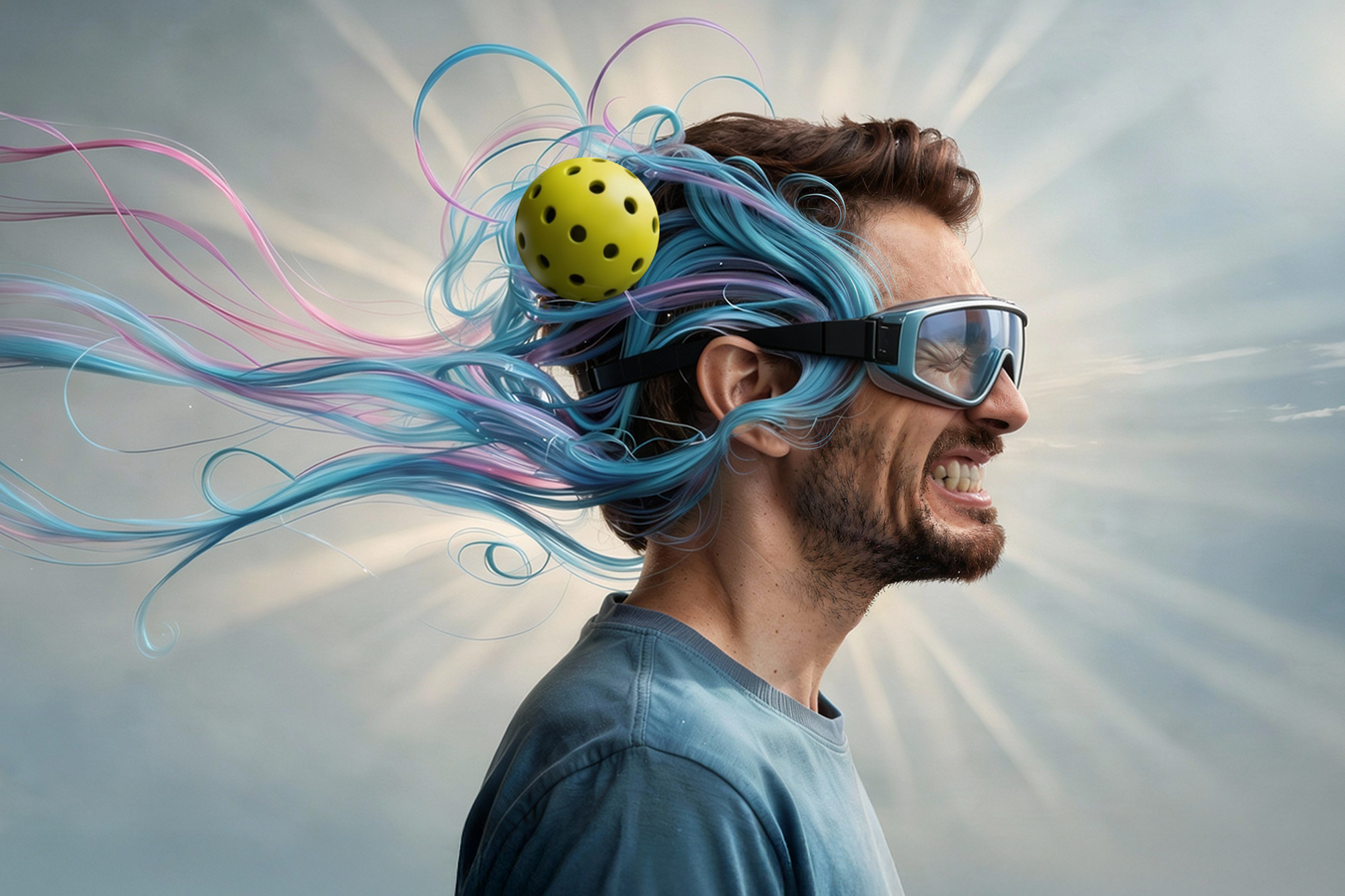
Head injuries in pickleball are on the rise. From concussions caused by falls to accidental paddle strikes and unexpected ball impacts, medical professionals and court operators are seeing a growing number of head-related injuries tied directly to pickleball play. While still less common than lower-body injuries, the increase is real, and it reflects how the sport itself has changed.
A Game That’s Getting Faster and More Crowded
Pickleball today is not the same game many players first picked up a decade ago. The modern sport is faster, more athletic, and more aggressive. Harder paddles, faster balls, and advanced techniques like speed-ups, Ernes, and rapid hands battles have dramatically shortened reaction time, especially near the non-volley zone.
At the same time, courts are more crowded than ever, with multiple games running side by side and players of varying skill levels sharing space. That combination of speed, proximity, and density creates risk.
Medical data and anecdotal reports from emergency rooms and urgent care clinics point to a steady increase in head injuries associated with pickleball, particularly among older adults. Falls remain the leading cause, but direct impacts are becoming more common as rallies intensify and court spacing shrinks.
What the Emergency Room Data Is Showing
The rise in pickleball participation is now clearly reflected in hospital and emergency department data, and head injuries are a meaningful part of that picture.
Recent analyses of national injury databases, including the National Electronic Injury Surveillance System (NEISS), show that head injuries account for roughly 9 to 13 percent of all pickleball-related emergency department visits. While fractures and sprains remain the most common injuries overall, head trauma represents a significant and growing subset that medical professionals are watching closely.
These injuries range from concussions and closed-head injuries to facial lacerations and, in rarer cases, more serious internal head trauma. National estimates suggest that more than 12,000 pickleball-related head injuries have been treated in U.S. emergency departments over recent multi-year study periods.
Age plays a key role in both frequency and mechanism. Younger players show a higher proportion of head injuries, often resulting from paddle or ball impact during fast exchanges. In contrast, older adults experience head injuries primarily due to falls, particularly when retreating for lobs or losing balance during quick directional changes. Among players aged 60 and over, head injuries account for approximately 13 to 14 percent of pickleball-related ED visits, with this group also facing a higher likelihood of hospital admission for observation.
The trend is accelerating alongside the sport’s growth. Emergency department visits related to pickleball surged dramatically between 2020 and 2022, and hospital admissions increased even more sharply, especially among older players. While most head injury patients are treated and discharged the same day, clinicians emphasize that even mild symptoms require caution, as concussion effects can be delayed or cumulative.
Taken together, the data underscores a clear message: head injuries in pickleball are no longer isolated incidents. They are a documented, rising concern—one that reinforces the need for awareness, prevention strategies, and a more proactive approach to player safety as the sport continues to evolve.
How Head Injuries Happen on the Court
Unlike contact sports, pickleball injuries are rarely intentional. Most head injuries occur suddenly, during routine play, often when players least expect it.
Common scenarios include backward falls while retreating for a lob, collisions between doubles partners chasing the same ball, accidental paddle swings during fast exchanges at the net, and ball strikes to the face at close range. In rare but serious cases, players have suffered concussions or head trauma after tripping over court dividers, shoes, or uneven surfaces.
The kitchen, ironically the heart of the game, has become one of the most dangerous areas, where reflex volleys and speed-ups leave little margin for error.
Why Older Players Are at Higher Risk
Pickleball’s broad appeal is also part of the challenge.
Studies consistently show that players aged 50 and older account for a disproportionate share of pickleball injuries overall, including head injuries. Slower reaction time, balance challenges, and reduced bone density all contribute to increased injury risk when a fall or impact occurs.
That doesn’t mean younger players are immune. As competitive play grows and younger athletes enter the sport, head injuries related to aggressive play and high-velocity exchanges are becoming more visible across all age groups.
The Culture Shift: From Casual to Competitive
Pickleball’s image as a “safe” or “easy” sport can sometimes work against it.
Many players don’t warm up properly, underestimate the physical demands, or fail to consider protective gear because the game doesn’t feel dangerous.
Courts rarely require helmets or head protection, and conversations about concussion awareness are still rare compared to sports like cycling, hockey, or soccer.
But pickleball has evolved, and safety conversations must evolve with it.
What Players Can Do to Protect Themselves
Experts agree that awareness is the first line of defense.
Improving balance and mobility, warming up before play, communicating clearly with partners, and respecting spacing between courts can significantly reduce risk. Eye protection—already gaining traction due to rising eye injuries—also reduces the chance of facial and orbital trauma that can contribute to head injury.
Players are also being encouraged to slow the game down when needed, recognize fatigue, and seek medical evaluation after any blow to the head, even if symptoms seem mild.
Concussions aren’t always immediate. Dizziness, headaches, confusion, or vision changes hours after play should never be ignored.
Are Helmets the Next Conversation in Pickleball?
The idea of wearing helmets in pickleball may sound extreme today, but it’s a conversation quietly beginning to surface. As rallies get faster, courts get tighter, and injury data grows, some safety experts are asking whether head protection, at least in specific settings, could become part of the sport’s future.
While widespread helmet use is unlikely in recreational play anytime soon, there is growing discussion around targeted protection for high-risk scenarios: seniors with balance concerns, players returning from concussions, adaptive pickleball programs, and junior or instructional environments.
Similar shifts have occurred in cycling, skiing, and even baseball, where helmets were once optional and later normalized.
For now, pickleball remains helmet-free, but as the sport continues to professionalize and prioritize player longevity, the conversation around head protection may no longer be a question of if, but when and for whom.
A Sport Worth Protecting
Pickleball’s growth shows no signs of slowing. With millions of players now on court weekly, even a small injury rate translates into real numbers. The goal isn’t fear. It’s longevity.
Pickleball thrives because it keeps people active, social, and engaged. Addressing head injuries openly ensures that players can continue enjoying the game for years to come, without unnecessary risk.
As pickleball matures into a full-scale sport and industry, safety awareness must grow alongside skill and competition. Protecting the head protects the future of the game. And that’s a rally worth winning.
The Pickleball Editorial Team produces in-depth reporting and cover features that examine the sport’s growth, innovation, competition, and culture. With contributors who understand both the strategy of the game and the forces shaping its future, the team is committed to telling the full story of modern pickleball.

Read the full magazine issue! Click below, then click on the X in the lower bar to enjoy a full screen view!