
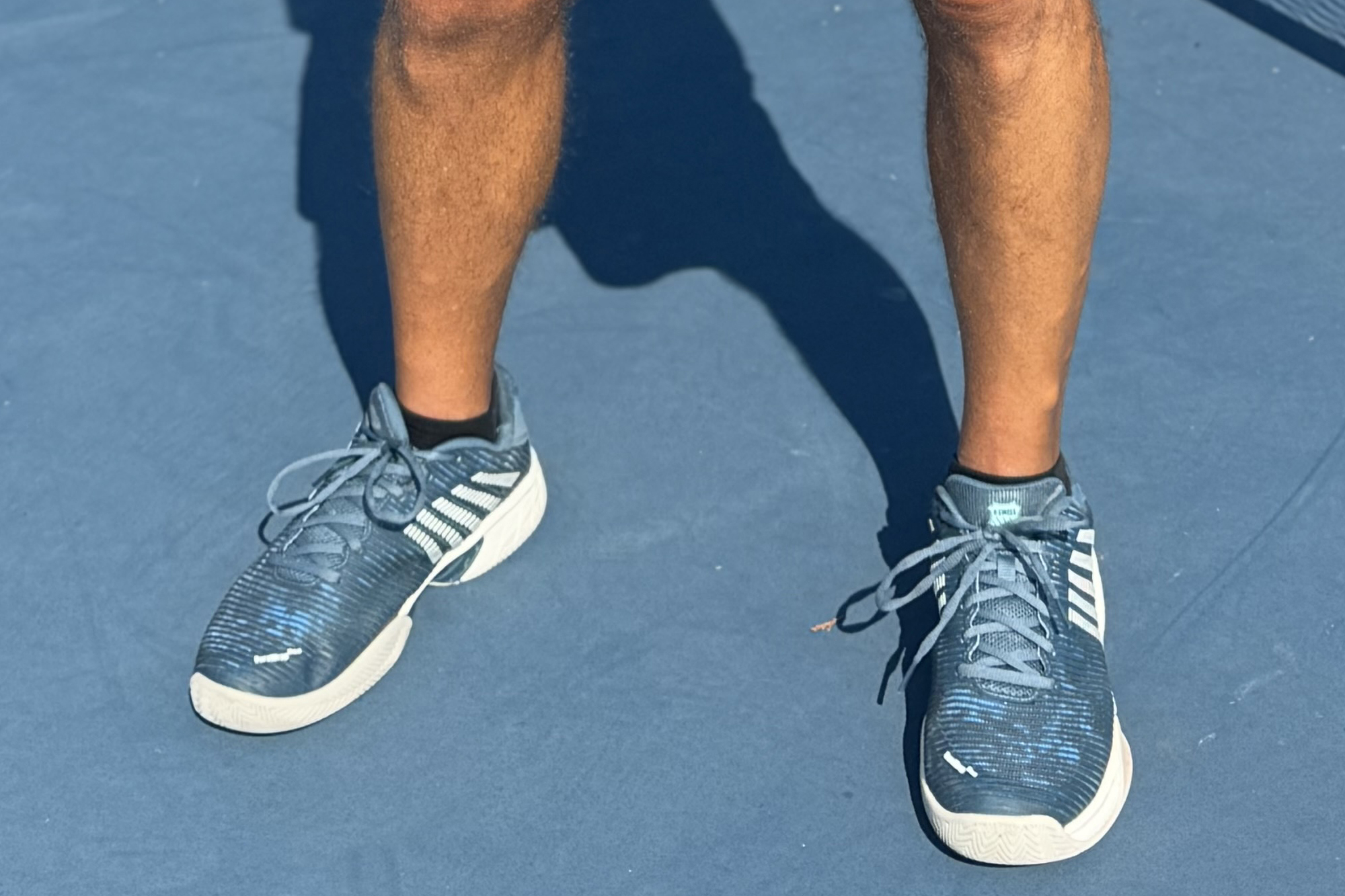
Footwear, Courts, and Injury Prevention: Why What’s Under Your Feet Matters
By The Pickleball Weekly Health & Wellness Staff • Jan 14, 2026 • 3 min read
PICKLEBALL is often described as an accessible sport: easy to learn, social by nature, and welcoming to players of all ages. But beneath that friendly reputation lies a reality many players only discover after an injury: pickleball is demanding on the body, especially from the ground up.
Footwear choices and court surfaces play a far bigger role in injury prevention than most players realize. As the sport grows faster, more athletic, and more crowded, what’s under your feet can be the difference between playing pain-free and spending weeks sidelined.
The Footwear Problem No One Talks About
Pickleball shoes are finally having a moment, but many players are still wearing the wrong footwear.
Running shoes, cross-trainers, or worn-out tennis shoes remain common on pickleball courts. The issue isn’t comfort. It’s stability. Running shoes are designed for forward motion. Pickleball demands lateral movement, sudden stops, pivots, and quick recovery steps. Shoes without proper sidewall support and torsional stability increase the risk of ankle sprains, knee stress, and slips.
Even shoes marketed for pickleball can feel uncomfortable. Many court shoes are stiff out of the box, lack adequate cushioning for hard surfaces, or don’t accommodate different foot shapes. Players often “play through” foot pain, unaware that discomfort in the feet quickly transfers stress up the kinetic chain, to the knees, hips, and lower back.
Footwear isn’t about fashion or brand loyalty. It’s about injury prevention.
Court Surfaces Matter
Pickleball is played on a wide variety of surfaces, and each comes with trade-offs. Outdoor hard courts, often repurposed tennis courts, are the most common. They provide predictable bounce but are unforgiving on joints. Indoor gym floors offer more give but can be slippery if dust accumulates. Dedicated pickleball courts vary widely in texture, grip, and cushioning depending on materials and maintenance.
Surface inconsistency is a hidden risk. Players move from indoor to outdoor courts, from acrylic to concrete, often in the same week. Changes in traction and shock absorption can stress the body in unfamiliar ways, increasing the likelihood of strains, slips, or falls, especially for older players. The faster the game becomes, the less margin there is for error when footing isn’t secure.
The Chain Reaction of Poor Support
Footwear and court surfaces don’t cause injuries in isolation. They contribute to patterns.
Insufficient cushioning leads to heel pain and plantar fasciitis. Poor lateral support increases ankle instability. Excessive court hardness amplifies joint impact. Over time, these stresses accumulate, often showing up as knee pain, Achilles issues, or lower-back discomfort.
Many pickleball injuries labeled as “overuse” are actually under-support problems. The body compensates until it can’t anymore.
Injury Trends Are Following the Game’s Growth
As participation explodes, emergency departments and physical therapists are seeing more pickleball-related injuries across all age groups. While fractures and falls get attention, chronic foot and lower-extremity injuries are quietly becoming more common.
Improper footwear and repeated play on hard surfaces are frequently cited contributing factors, especially among players who play multiple times per week without adequate recovery or shoe rotation. This isn’t about fear. It’s about awareness.
What Smart Players Are Doing Differently
Experienced players are becoming more intentional. They invest in court-specific shoes with proper lateral support. They rotate footwear to reduce repetitive stress. They replace shoes before traction is gone, not after. Many add supportive insoles to improve comfort and alignment, especially when shoes feel stiff or unforgiving.
They also adjust expectations based on surface. Shorter sessions on harder courts. Extra warm-ups indoors. Slowing the game when footing feels compromised. Injury prevention doesn’t require playing less. It requires playing smarter.
Pickleball’s Future Is Built from the Ground Up
As pickleball continues to professionalize, footwear innovation and court design are catching up. Brands are developing pickleball-specific shoes. Facilities are investing in dedicated surfaces. Conversations around joint health, recovery, and injury prevention are finally moving into the mainstream.
But the responsibility still starts with the player. What you wear. Where you play. How often you replace worn gear. These decisions matter more than any single shot.
Pickleball may be easy to start, but staying healthy enough to keep playing is a different game entirely. And it begins at your feet.
The Pickleball Weekly Health & Wellness Staff covers health, fitness, nutrition, recovery, and performance topics that help players stay active and play their best.

Read the full magazine issue! This story appeared in the January 14, 2026 issue of The Pickleball Weekly.
