Common Pickleball Injuries and How to Avoid Them
By Michael Falco
July 8, 2026 • 4 min read
ON ANY GIVEN day, you’ll find teenagers competing against retirees, former college athletes battling lifelong recreational players, and friends discovering the sport together for the very first time. That accessibility is one of pickleball’s greatest strengths, but it also creates a common misconception. Because the court is smaller and the ball travels slower than in tennis, many players assume pickleball places less stress on the body.
The reality is more complicated.
The game demands hundreds of quick starts and stops, repeated lunges into the kitchen, explosive lateral movements, overhead smashes, and lightning-fast hand battles at the net. Those movements are exhilarating, but over time they can place significant strain on muscles, tendons, and joints, particularly when players skip warmups, play too often, or ignore the body’s warning signs.
The encouraging news is that many of pickleball’s most common injuries are preventable. A few smart habits before, during, and after play can dramatically reduce your risk while helping you stay on the court longer.
Why Pickleball Injuries Happen
Most injuries don’t occur because of one spectacular moment. Instead, they develop gradually through repetitive movement, muscle imbalances, poor mechanics, or simple fatigue.
Many recreational players spend far more time playing than preparing their bodies to play. They arrive at the courts, hit a few casual dinks, and immediately jump into competition. While that may seem harmless, cold muscles and stiff joints are far less prepared for the sudden changes of direction and explosive movements that pickleball demands.
As players improve and begin playing more frequently, the risk of overuse injuries also increases. What starts as mild soreness can slowly develop into persistent pain if left unaddressed.
Shoulders: Power Comes at a Price
The shoulder is one of the body’s most mobile joints, making it especially vulnerable during pickleball.
Repeated overhead serves, aggressive overhead smashes, and hard drives all place stress on the rotator cuff and surrounding muscles. Poor technique or trying to generate power using only the arm instead of the entire kinetic chain often magnifies that stress.
Players frequently notice discomfort while reaching overhead or lifting the paddle after a long day of play. Ignoring those early warning signs can eventually lead to rotator cuff tendinitis, impingement, or even tears.
Building shoulder strength isn’t just about lifting heavier weights. Exercises that improve stability, posture, and rotator cuff endurance often provide the greatest protection. Just as important is learning to generate power from the legs and core rather than relying entirely on the shoulder.
The Elbow Isn’t Just a Tennis Problem
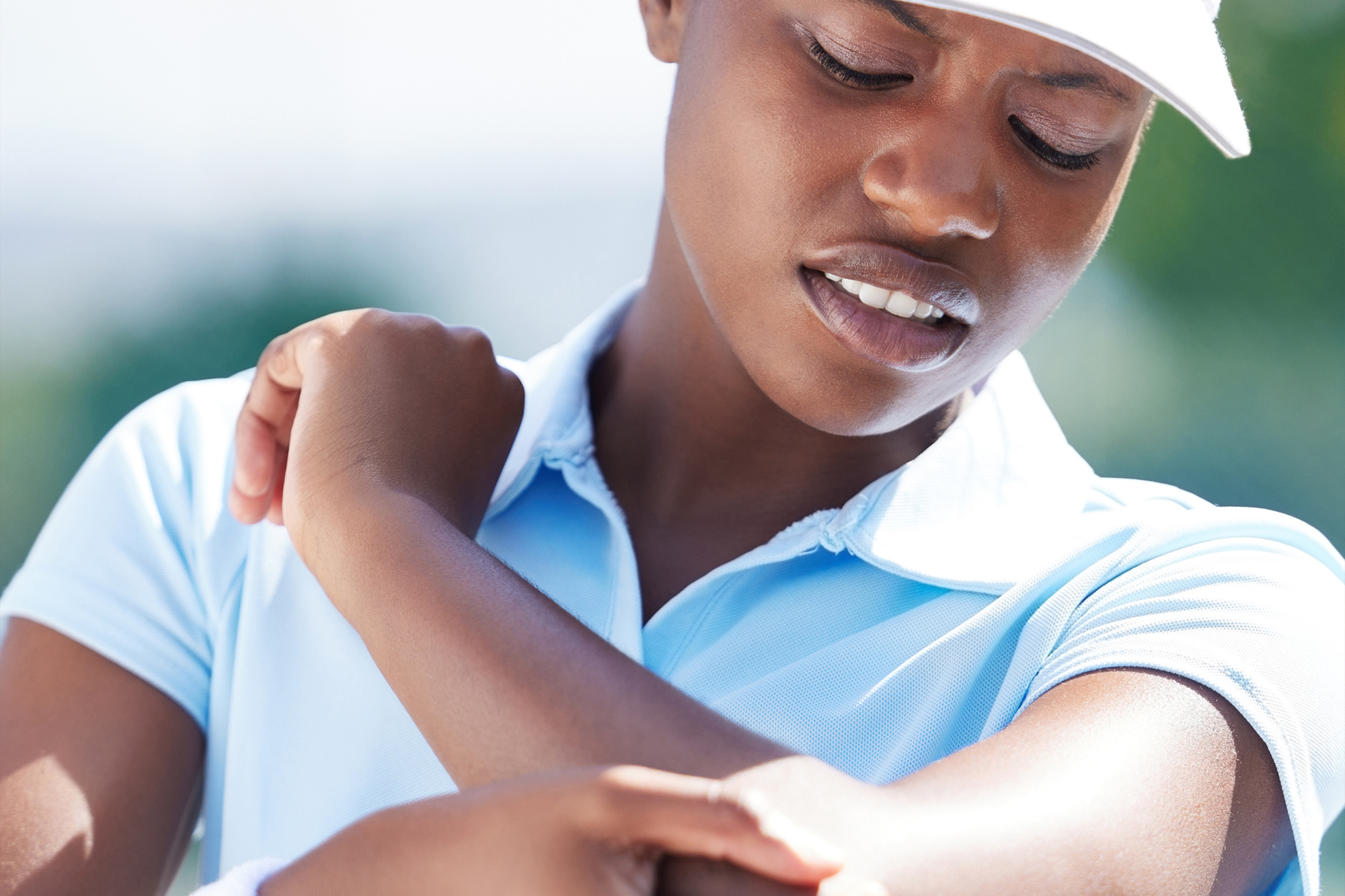
Despite its name, tennis elbow has become one of the most common overuse injuries in pickleball.
The condition develops when repetitive gripping and wrist extension irritate the tendons on the outside of the elbow. Players who squeeze the paddle too tightly, use paddles that don’t fit their hand properly, or repeatedly strike off-center shots often place unnecessary stress on these tendons.
Fortunately, small adjustments frequently make a big difference. Choosing the correct grip size, relaxing your grip pressure between shots, strengthening the forearm muscles, and allowing adequate recovery after heavy playing weeks can significantly reduce elbow pain before it becomes chronic.
The Lower Body Takes the Biggest Beating
While shoulders and elbows receive much of the attention, knees and Achilles tendons often absorb the greatest workload during a match.
Every quick sprint toward a drop shot, every split step at the kitchen line, and every sudden change of direction requires the knees and lower legs to absorb force before immediately generating it again.
For players with previous knee injuries or arthritis, repetitive lunging can aggravate existing conditions. Weak hips and glutes often make matters worse by forcing the knees to compensate for muscles that aren’t doing their share of the work.
The Achilles tendon faces similar challenges. Quick acceleration, explosive pushes toward the net, and repeated calf loading can gradually irritate the tendon, particularly when players increase court time too quickly or wear shoes that lack proper support.
Strengthening the hips, glutes, calves, and hamstrings creates a stronger foundation for every movement on the court while reducing unnecessary stress on both the knees and Achilles.
The Warm-Up Most Players Skip
One of the simplest injury prevention strategies remains one of the least utilized.
A proper warm-up doesn’t need to take twenty minutes. Five to ten minutes of purposeful movement can dramatically improve circulation, increase joint mobility, and prepare muscles for the demands ahead.
Walking, light jogging, side shuffles, arm circles, bodyweight squats, walking lunges, and gentle shoulder mobility exercises are far more effective than static stretching before play. Saving longer stretches for after the match allows muscles to recover without sacrificing power or reaction time.
Recovery Is Part of Training
Many players focus exclusively on improving during matches while overlooking what happens afterward.
Recovery isn’t a reward for playing hard. It’s part of becoming a better athlete.
Hydration, quality sleep, balanced nutrition, and recovery days allow tissues to repair and adapt to increasing workloads. Foam rolling, gentle stretching, and mobility work can help maintain flexibility while reducing soreness after long tournament weekends.
Perhaps the most overlooked recovery strategy is listening to your body. Persistent pain is rarely something to “play through.” Addressing small problems early often prevents weeks or even months away from the game.
Staying on the Court
Every pickleball player wants the same thing: more time on the court.
Fortunately, avoiding injury isn’t about avoiding competition. It’s about preparing your body for the demands the game places upon it. Building strength, improving mobility, warming up properly, wearing supportive court shoes, and respecting recovery all contribute to healthier, more enjoyable play.
The fastest way to improve your pickleball game isn’t always learning a new shot.
Sometimes it’s making sure your body is healthy enough to keep hitting the ones you already have. ●
About Michael Falco
Michael Falco is a Certified Master Trainer and ISSA Personal Trainer, an ISSA Nutritionist, and an FWI Certified Life Coach. He trains clients at LA Fitness in North Wales, PA, and writes the Health & Wellness column for The Pickleball Weekly.

Read the full magazine issue! Click below, then tap Full Screen for the best reading experience.