Beyond the PPA Asia Tournament in Beijing
By The Pickleball Weekly Travel Staff • June 10, 2026 • 6 min read
What to dee and do while at the PPA Asia 500 China Open
FOR THE FIRST time ever, the PPA Tour Asia is bringing pro pickleball to Beijing, one of the world’s great capital cities and one of the most fascinating destinations in Asia.
From June 17-21, players and fans will gather at the National Tennis Center for the PPA Asia 500 China Open 1, a tournament that combines world-class competition with one of the sport’s most historic international settings. The event will feature professional and amateur divisions across multiple age and skill categories, giving players the opportunity to compete on the same grounds that have welcomed some of the biggest names in global tennis.
Yet as impressive as the National Tennis Center may be, Beijing itself is every bit as compelling.
This is a city where emperors once ruled from sprawling palace complexes, where ancient alleyways coexist with futuristic architecture, and where thousands of years of history unfold alongside one of the world’s most dynamic modern economies. For pickleball players making the trip, the tournament may be the reason to visit, but Beijing offers countless reasons to stay a little longer.
Playing on an Olympic Stage
The tournament venue alone makes this event unique.
Located inside Beijing’s Olympic Green, the National Tennis Center was originally constructed for the 2008 Summer Olympics and remains one of Asia’s premier sports facilities. The complex’s signature Diamond Court has hosted some of the biggest stars in professional tennis, and now pickleball is set to write its own chapter on these iconic grounds.
The Olympic pedigree is impossible to miss. Modern architecture, world-class facilities, and the surrounding Olympic Park create an atmosphere unlike anything most pickleball players have experienced.
When your matches are finished for the day, you can step outside the venue and find yourself standing among some of the most recognizable sports landmarks in the world.

Walk Through 600 Years of Imperial History
No visit to Beijing would be complete without exploring the Forbidden City.
For nearly five centuries, this immense palace complex served as the political and ceremonial center of imperial China. Today it remains the largest ancient palace complex in the world, offering visitors a remarkable look at Chinese history, architecture, and culture.
The scale alone is breathtaking. Massive courtyards, ornate gates, ceremonial halls, and beautifully preserved buildings stretch across hundreds of acres in the heart of the city.
For first-time visitors, arriving early in the morning is highly recommended. The attraction remains one of China’s most popular tourist destinations, and advance ticket reservations are essential.
After exploring the palace grounds, walk directly across the street to Jingshan Park. The hill at the center of the park provides what many consider the best panoramic view in Beijing. Looking out across the sea of golden rooftops of the Forbidden City offers a perspective few visitors forget.
Stand on the Great Wall
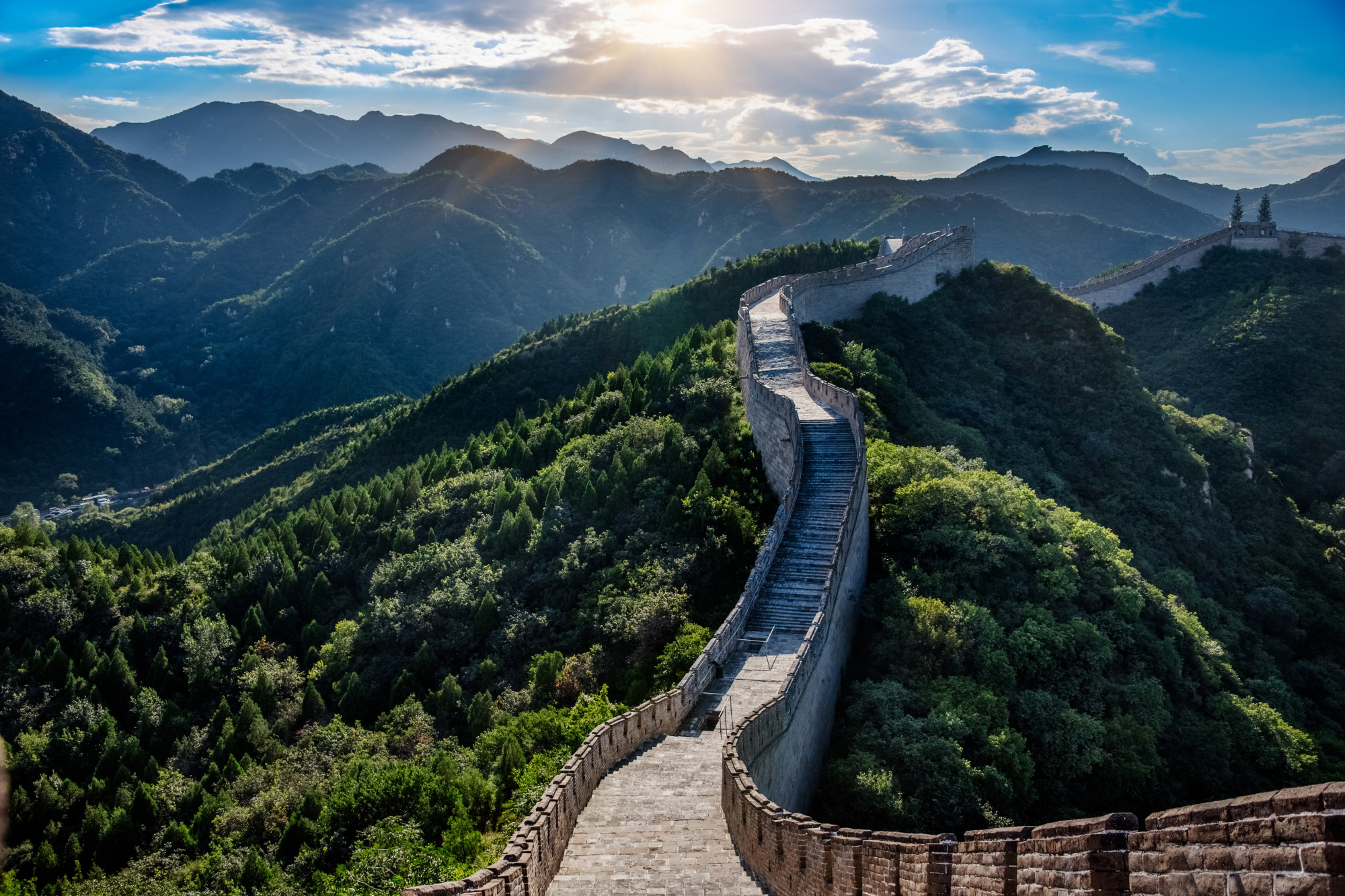
Some experiences transcend travel brochures. Standing atop the Great Wall of China is one of them.
Several sections of the wall are accessible from Beijing, but many experienced travelers recommend Mutianyu or Jinshanling over the heavily crowded Badaling section.
Mutianyu offers restored pathways, beautiful scenery, and a popular toboggan ride down the mountain. Jinshanling provides a more rugged and authentic hiking experience with fewer crowds and spectacular views stretching across the surrounding mountains.
Whether you choose a leisurely visit or a full day hike, the Great Wall delivers one of the world’s truly unforgettable travel experiences. For many visitors attending the China Open, it becomes the highlight of the entire trip.
Get Lost in the Hutongs
While Beijing’s grand monuments attract international attention, its soul is often found in the city’s historic Hutongs.
These traditional alleyways weave through older neighborhoods where local residents have lived for generations. Hidden within the narrow streets are small restaurants, tea houses, family businesses, courtyards, and countless opportunities to experience daily life beyond the city’s major tourist attractions.
Exploring a Hutong neighborhood feels completely different from touring Beijing’s famous landmarks. Instead of emperors and monuments, visitors discover local culture, authentic cuisine, and the rhythms of everyday life. For travelers seeking a deeper connection to the city, few experiences are more rewarding.
Discover a Different Side of Beijing
One of the biggest surprises for first-time visitors is how modern Beijing feels. The 798 Art Zone showcases this contemporary side of the city perfectly. Once a decommissioned military-industrial complex, the area has been transformed into a vibrant district filled with galleries, public art, creative studios, cafes, and cultural events.
The contrast between Beijing’s ancient landmarks and its modern creative energy is striking. Within the same day, visitors can explore a palace built centuries ago and then spend the afternoon surrounded by contemporary art installations and innovative architecture. That balance between history and modernity is one of Beijing’s defining characteristics.
Food Worth Traveling For
Beijing’s food scene deserves a trip of its own. The city’s most famous dish is undoubtedly Peking Duck, a culinary tradition that dates back centuries. Crispy skin, expertly prepared duck, thin pancakes, and traditional accompaniments create one of China’s most iconic dining experiences.
Beyond the famous restaurants, Wangfujing Street offers a lively atmosphere filled with shopping, local food vendors, and endless people-watching opportunities. The area provides visitors with a taste of Beijing’s energy while introducing them to a wide variety of regional flavors.
Many visitors discover that some of their favorite meals happen not in luxury restaurants but in small neighborhood eateries tucked away inside the Hutongs.
Explore the Olympic Legacy
Because the tournament takes place within Beijing’s Olympic Green, it would be a mistake not to explore the surrounding Olympic venues.
The Bird’s Nest Stadium and Water Cube remain among the most recognizable structures from the 2008 Summer Olympics. Both have become iconic symbols of modern China and continue to attract visitors from around the world. The area is particularly impressive in the evening when the buildings are illuminated against the night sky.
For sports fans, walking through Olympic Park provides a reminder of how global sporting events can shape cities and leave lasting legacies long after the competition ends.
A Perfect Pickleball Destination
What makes the PPA Asia 500 China Open unique is not simply the tournament itself. It is the opportunity to combine high-level competition with one of the world’s great travel destinations.
Players can compete on Olympic grounds in the morning, walk through centuries of imperial history in the afternoon, and enjoy world-class cuisine in the evening. Few tournaments offer that kind of variety. So don’t be surprised if Beijing itself becomes the story you remember long after the final match is played.
The Pickleball Travel Staff produces in-depth reporting and cover features about exploring destinations with pickleball courts and what to do locally while attending tournaments all over the world. With contributors who uncover premier resorts, local hotspots, and off-court activities, the team is committed to helping players maximize their experiences beyond the court boundaries.

Read the full magazine issue! Click below, then click on the X in the lower bar to enjoy a full screen view!