
Beyond the Core Four
How Six-Player Rosters Are Expanding Opportunities in MLP
By Adriana Falco
June 24, 2026 • 8 min read
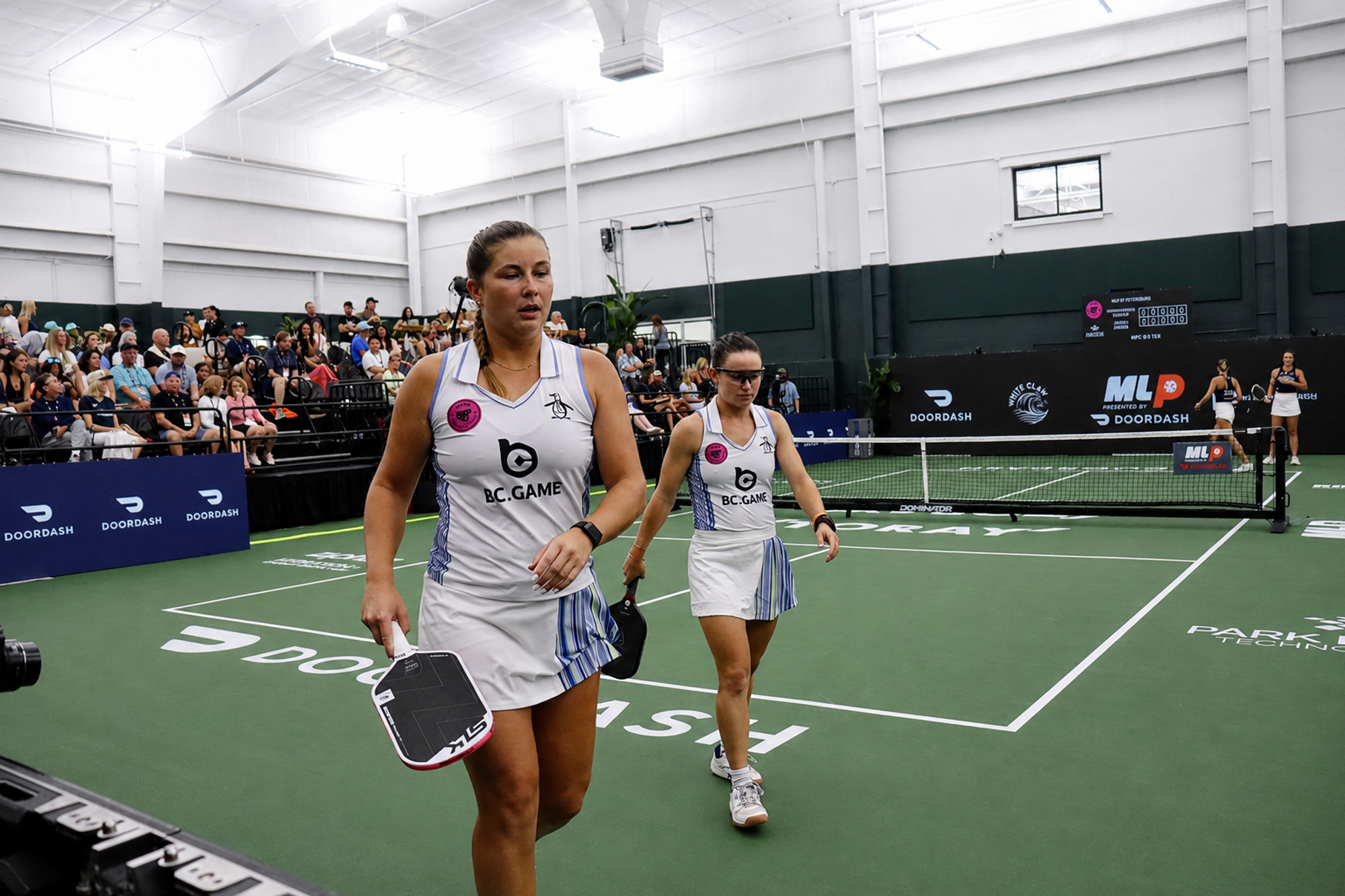
THE MAJOR LEAGUE Pickleball event in St. Petersburg, Florida showcased more than elite competition and passionate crowds. It also provided one of the clearest looks yet at how the league’s expanded six-player roster format is beginning to reshape team strategy.
For years, MLP teams were built around a core group of four players who competed in every doubles match and every DreamBreaker. The 2026 season has introduced a new dynamic, giving teams additional flexibility and creating opportunities for more athletes to contribute throughout an event.
While the change may seem subtle on paper, its impact could be significant as teams continue to explore the possibilities that come with deeper rosters.
Understanding the MLP Format
To understand why expanded rosters matter, it helps to understand how a MLP match is structured.
There are 20 teams in Major League Pickleball with each team carrying a six-player roster of three men and three women. At MLP events, teams play four regulation games: women’s doubles, men’s doubles, and two mixed doubles matches. Each game is played to 11 points, win by two, and counts equally toward the team score.
If the teams split those four games and finish tied 2-2, the match advances to a DreamBreaker, one of MLP’s signature formats. According to MLP, a DreamBreaker features one player from each team competing in singles play, with teammates rotating onto the court every four points until one team reaches 21 points and wins by two.
MLP’s format adds another strategic element as the home team must submit its DreamBreaker lineup first, allowing the away team to determine its own player order in response.
The format rewards both individual talent and team depth. Players must excel in doubles play while also being prepared to contribute in a fast-paced singles environment if the match reaches a DreamBreaker.
With six-player rosters as of the 2026 season, organizations have additional flexibility when constructing their lineups and determining how best to utilize roster depth throughout an event. That added flexibility is one of the reasons the expanded roster format has become such an intriguing development during this year’s season.
More Players, More Possibilities
The transition from four-player lineups to six-player rosters provides coaches with additional lineup flexibility.
Teams can now utilize additional players throughout an event, creating more opportunities for coaches to leverage roster depth and player strengths. The result is a broader range of possibilities when building lineups and preparing for competition.
St. Petersburg offered an early glimpse into how teams may approach these decisions moving forward. As coaches gain experience with the new format, roster construction itself could become an increasingly important part of team success.

Creating New Opportunities
Perhaps the most exciting aspect of the expanded roster format is the opportunity it creates for players. Additional roster spots create more opportunities for athletes to contribute, impact matches, and support their teams throughout the season.
The change also highlights the importance of roster depth. Organizations now have the opportunity to evaluate and utilize a broader range of talent across their rosters. They are building complete teams capable of contributing in a variety of situations.
As MLP continues to grow, expanded rosters may help develop a broader pool of talent while providing additional pathways for players to gain valuable experience.
Strategy Takes Center Stage
The six-player format introduces another layer of decision-making for coaches and team managers. Lineup choices now extend beyond selecting four starting players. Teams can evaluate matchups, consider player strengths, and make strategic adjustments throughout an event.
DreamBreakers add another interesting element. Because lineups are finalized later in the match process, coaches have additional information available when making decisions. The result is a deeper strategic component that enhances the team aspect of Major League Pickleball.
As organizations continue experimenting with different approaches, the St. Petersburg tournament gave an early indication of how those strategies may begin to take shape throughout the remaining season.

Roster Depth on Display
The St. Petersburg event provided an opportunity to observe how teams are beginning to adapt to the expanded roster format in real time. While the six-player structure is still relatively new, organizations are already exploring how additional roster depth can contribute to overall team success.
Throughout the weekend, coaches had more flexibility when evaluating lineup combinations, managing player workloads, and preparing for a variety of match situations. The added depth allows teams to approach competition with a broader range of options while creating opportunities for more athletes to contribute throughout an event.
As organizations gain more experience with the format, roster construction may become an increasingly important part of the competitive equation. The ability to build balanced teams with depth, versatility, and complementary skill sets could become a significant factor in long-term success.
While every team will develop its own approach, St. Petersburg offered an early glimpse into how expanded rosters may influence strategy, preparation, and team dynamics throughout the season.
Supporting the Next Generation
Beyond its immediate impact on competition, the six-player roster format may also play an important role in the continued growth of professional pickleball.
Additional roster spots create more opportunities for athletes to gain experience within a professional team environment. Players have the opportunity to learn from veteran teammates, work alongside coaching staffs, and develop their skills while contributing to team success throughout the season.
As MLP continues to expand, roster depth can help strengthen the league’s overall talent pipeline. More athletes participating at the professional level create additional opportunities for player development while helping organizations build sustainable rosters for the future.
The benefits extend beyond individual teams. Expanded opportunities can contribute to the continued growth of the sport by providing more pathways for talented players to reach and succeed at the professional level.
As the league evolves, the six-player format may prove to be about more than strategic flexibility. It may also help cultivate the next generation of professional pickleball talent while supporting the long-term growth of the game.

Strengthening the Team Model
One of the unique aspects of Major League Pickleball is its emphasis on team competition. While pickleball is traditionally viewed as an individual or doubles sport, MLP has built its identity around team-based rivalries, shared success, and collective performance.
Expanded rosters further support that vision by increasing the number of athletes who contribute to an organization’s success. With more players involved throughout the season, teams have additional opportunities to develop chemistry, create depth, and build a stronger sense of identity.
Fans benefit as well. Larger rosters introduce more personalities, playing styles, and storylines for supporters to follow throughout the year. As teams continue to establish their brands and build connections with local fan bases, expanded rosters can help strengthen the relationship between organizations and their communities.
The result is a format that places an even greater emphasis on the team experience, one of the characteristics that continues to distinguish Major League Pickleball from many other professional racquet sports.
Building Complete Teams
The expanded format also reinforces the importance of roster depth and organizational strength throughout the season. Expanded rosters further emphasize the importance of depth, versatility, preparation, and roster balance.
Teams now have the ability to build complementary rosters featuring players with different strengths and playing styles. That flexibility can create new strategic options while highlighting the value of every player on the roster.
In addition to their starting lineup, organizations are investing in building complete teams capable of contributing throughout a long season.
Looking Ahead
The St. Petersburg event offered an early look at what may become one of the most interesting developments of the 2026 season.
Expanded rosters are creating additional opportunities for players, giving coaches new strategic tools, and adding new dimensions to team construction. As the season continues, teams will undoubtedly refine their approaches and discover new ways to maximize the advantages of roster depth.
One thing is already becoming clear. The six-player format is about more than adding two names to a roster. It is creating new opportunities for athletes, new strategic possibilities for coaches, and a new chapter in the continued evolution of Major League Pickleball. ●
About Adriana Falco
Adriana Falco is the Founder and Editor-in-Chief of The Pickleball Weekly, a global digital magazine reaching readers in over 80 countries across six continents. A pickleball player since 2012, she combines more than 30 years of executive leadership with a passion for storytelling that captures every facet of the sport. With a career from international technology companies to major news organizations, Falco covers the people, businesses, innovations, and global trends shaping pickleball’s future, with a mission to connect and inspire the worldwide pickleball community through credible journalism and compelling stories.

Read the full magazine issue! Click below, then tap Full Screen for the best reading experience.
