Luxury Pickleball Clubs in Florida Are Redefining the Game
By The Pickleball Weekly Editorial Team • Mar 11, 2026 • 7 min read
From courts and competition to dining, wellness, and social life
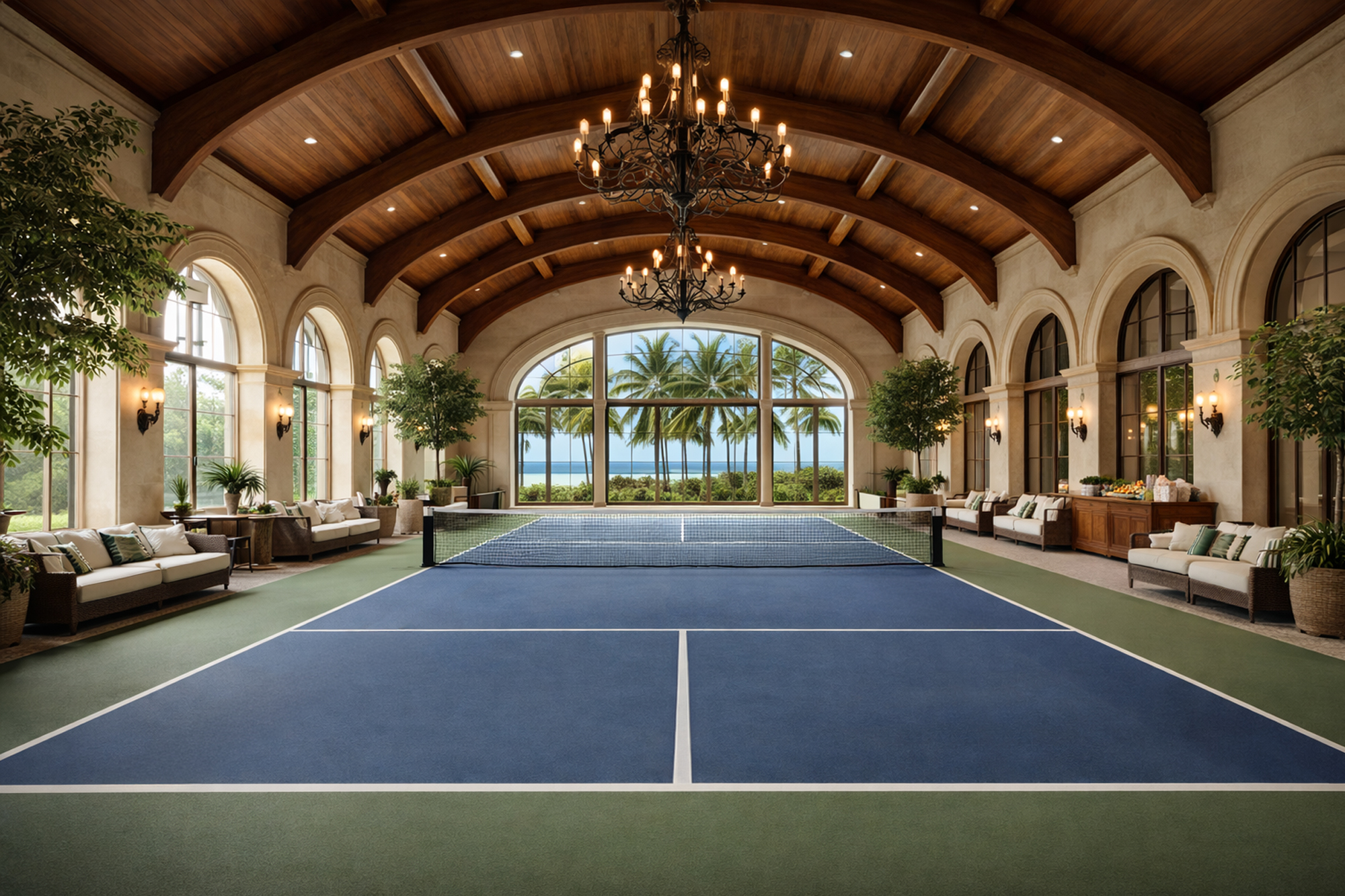
PICKLEBALL’S RISE IN the United States has been dramatic, but nowhere has the sport evolved more rapidly than in the state of Florida. With year-round sunshine, a massive active population, and significant investment from developers and hospitality groups, the state has become the epicenter of pickleball’s next phase. Courts are no longer confined to community parks or converted tennis facilities. Increasingly, they are part of full-scale lifestyle destinations designed to resemble private country clubs.
Across Florida, a new category of venue is emerging: the luxury pickleball social club.
These “pickleball country” clubs combine professional-grade courts with upscale restaurants, wellness amenities, lounges, pro shops, curated programming, and more. The goal is not simply to provide a place to play but to create an environment where sport, hospitality, and community intersect.
Why FL Leads the Luxury Pickleball Movement
Florida already holds a commanding position in the pickleball world. The state has the highest number of total pickleball courts and clubs in the United States, fueled by a climate that allows year-round play and a population that actively embraces racquet sports.

The city of Naples has earned the nickname “Pickleball Capital of the World.” Its 88-acre East Naples Community Park hosts the Minto US Open Pickleball Championships and features 64 lighted, dedicated outdoor courts with permanent nets, including six championship-level courts, making it one of the largest complexes anywhere.
But Florida’s influence goes beyond sheer court numbers. The state has also become the primary testing ground for upscale pickleball concepts, where developers are investing millions into climate-controlled facilities and high-end social spaces that elevate the playing experience.
The Rise of the “Country Club for Pickleball”
From Boca Raton to Tampa Bay, pickleball is increasingly packaged as part of a broader lifestyle offering. The luxury club model borrows heavily from golf and tennis country clubs. Instead of a simple athletic facility, these venues are designed as social ecosystems.
Typical features include:
- Climate-controlled indoor courts for year-round play
- Lounges, work spaces, and private rooms
- Full-service restaurants and bars
- Coffee bars and casual cafés
- Locker rooms and wellness spaces
- Saunas, cold plunges, and fitness studios
- Pro shops and equipment demos
- Programming such as leagues, clinics, tournaments, and social events
- Additional amenities such as padel, table tennis, billiard, boardgames, and more.
Technology is also becoming a major component. Many clubs now integrate on-court cameras, digital scoreboards, and instant replay systems, allowing players to analyze matches and save highlights directly to their phones.
These elements reflect a shift in how pickleball venues are designed. The sport remains accessible and social, but the environment surrounding it is becoming increasingly sophisticated.
Florida’s New Generation of Pickleball Clubs
Several major projects illustrate how rapidly the luxury club concept is expanding.

In Fort Lauderdale, The Fort has emerged as one of the most ambitious pickleball destinations in the country. The 10-acre complex includes 43 courts, including weatherproof courts and what has been described as the world’s first dedicated pickleball stadium. The venue blends competitive play with a lakeside restaurant, entertainment, and events.

Further north in Sarasota’s Lakewood Ranch community, The Pickleball Club launched a private indoor concept centered on climate-controlled play. The company has announced plans for 15 or more locations across Florida, with each facility featuring 12 to 14 indoor courts, locker rooms, a café, a pro shop, and lounge spaces overlooking the courts. The model closely mirrors a traditional country club, with pickleball serving as the central activity.

Meanwhile, in Boca Raton, construction is underway on Boca Paddle by CityPickle, a $20 million project scheduled to open in 2026. The facility is expected to include 25 courts, wellness amenities such as saunas and cold plunges, coworking spaces, a pro shop, and dining by Farmer’s Table. The development reflects growing demand for climate-controlled pickleball spaces in South Florida, where heat and afternoon storms can disrupt outdoor play.
A New Paddle and Social Club Model
Two recent openings illustrate the direction these venues are now heading.

In St. Petersburg, St. Pete Athletic Paddle & Social Club debuted in the Warehouse Arts District in January 2026. The expansive indoor facility includes 14 professional pickleball courts, as well as padel courts, table tennis, and a hospitality program anchored by Rose’s Dining & Drinks. The venue blends sport, dining, art, and wellness amenities such as saunas, cold plunges, and a fitness center. Membership sold out quickly after opening, though the club remains accessible to the public through court reservations and day passes.

Across the state in Orlando’s SoDo district, Hamlin House Paddle & Social Club has taken a more intimate but equally lifestyle-driven approach. The 28,000-square-foot private club features seven pickleball courts, indoor and outdoor lounge spaces, and a restaurant program developed in partnership with Michelin-starred chef John Fraser. The club was created by Ryan and Michelle DeVos, who are also involved with Major League Pickleball’s Orlando Squeeze franchise. Hamlin House blends a retro-Florida design aesthetic with a modern social-club atmosphere focused on connection and community.
Both venues reflect the same philosophy: pickleball is the foundation, but the experience extends far beyond the court.
Why Indoor Courts Matter in Florida
One of the defining features of luxury pickleball clubs in Florida is climate-controlled indoor play. While the state’s warm climate allows year-round outdoor sports, summer humidity, sudden rainstorms, and extreme heat can make outdoor play difficult during certain months. Indoor courts ensure consistent play conditions while also allowing clubs to host leagues, lessons, and tournaments without weather interruptions.
Developers say indoor courts were among the most requested features in community surveys, particularly among players seeking a reliable playing schedule. As a result, many new clubs are prioritizing indoor facilities as the centerpiece of their design.
Pickleball as a Lifestyle
The success of luxury pickleball clubs also reflects the unique social culture surrounding the sport. Unlike many racquet sports, pickleball encourages interaction between players of different ages and skill levels. Games are quick, rotations happen frequently, and social play is built into the structure of the sport.
Club developers have recognized that the real draw is not just the match itself, but the time spent before and after it. Restaurants, lounges, live music events, tastings, and wellness programs all extend the experience beyond the court. The result is a new type of venue where someone might play a match in the morning, work remotely from a lounge during the afternoon, and return in the evening for dinner and social events.
Florida’s Pickleball Future
As pickleball participation continues to grow nationally, Florida appears poised to remain at the center of the sport’s development. The state already hosts major tournaments, international events, and some of the largest pickleball complexes in the country. Now it is also leading the charge in creating luxury pickleball clubs that combine sport with hospitality and lifestyle programming.
From massive destinations like The Fort to boutique social clubs like Hamlin House and large indoor venues like St. Pete Athletic, Florida is becoming a showcase for what the next generation of pickleball facilities might look like.
For players, it means more than just a place to compete. It means a place to gather, connect, and spend the day. And in Florida, the future of pickleball increasingly looks a lot like a country club.
The Pickleball Editorial Team produces in-depth reporting and cover features that examine the sport’s growth, innovation, competition, and culture. With contributors who understand both the strategy of the game and the forces shaping its future, the team is committed to telling the full story of modern pickleball.

Read the full magazine issue! Click below, then click on the X in the lower bar to enjoy a full screen view!