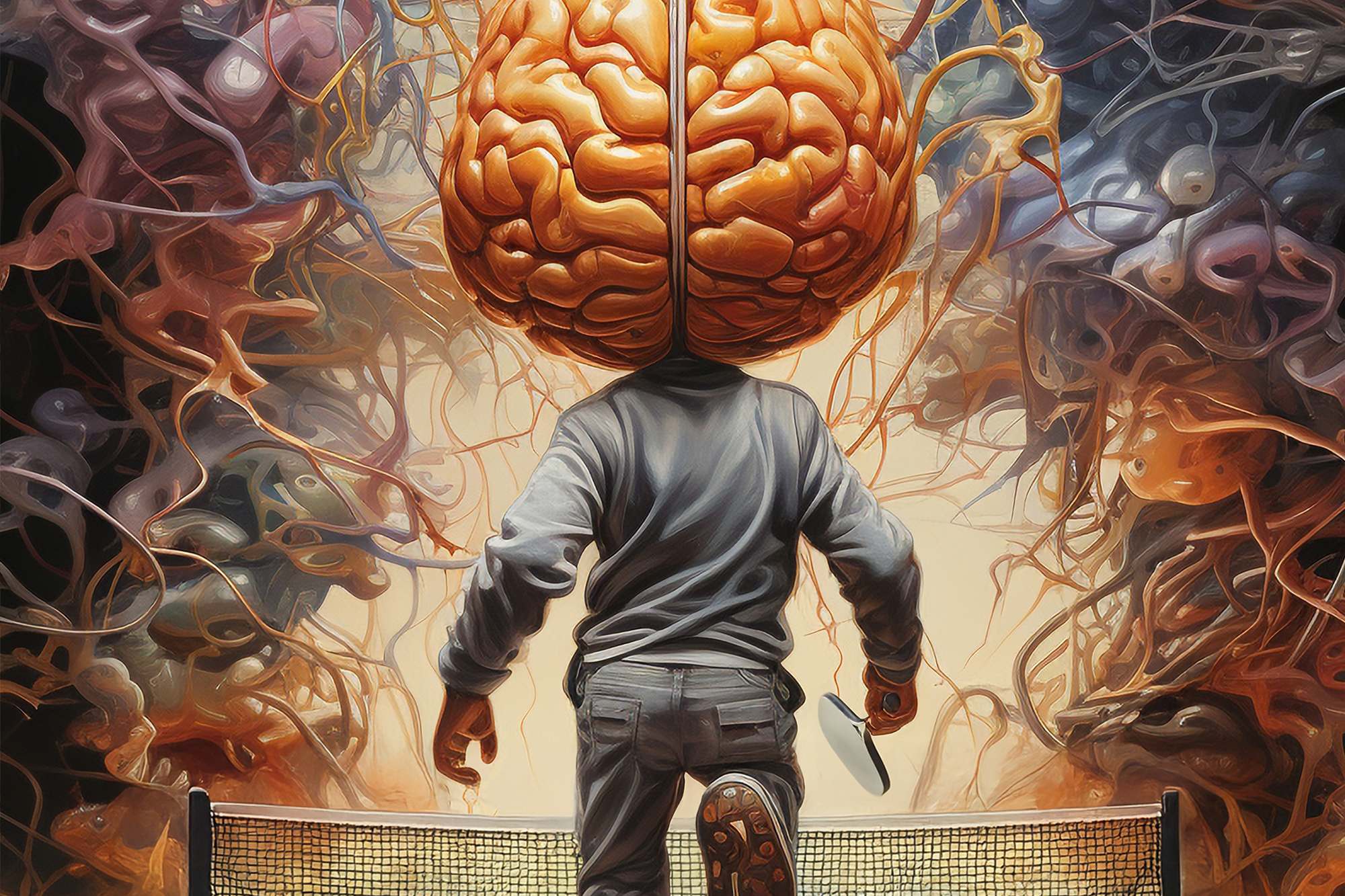
Inside the Mind of a Player: How Mental Focus Shapes Match Play
By The Pickleball Weekly Editorial Team • Oct 15, 2025 • 7 min read
When the score is tied, the sun’s in your eyes, and the rally feels endless, it’s not your paddle that wins the point. It’s your mind.
In professional pickleball, where the difference between victory and defeat can come down to a single unforced error or a momentary lapse in concentration, mental discipline has become just as important as shot accuracy. As the sport continues to evolve at elite levels, pros are increasingly turning to sports psychology, mindfulness, and mental conditioning to gain their competitive edge.
The Psychology of Pressure
Pickleball may look lighthearted to the casual spectator—smiles, friendly banter, and playful volleys—but at the pro level, it’s a mental battlefield. Matches often involve dozens of dinks, resets, and firefights that demand laser-like focus. The speed of play, combined with constant decision-making, creates cognitive fatigue that can derail even the most technically sound players.
“The hardest part isn’t hitting the ball. It’s controlling your brain,” says Catherine Parenteau, one of the top-ranked women’s singles and doubles players on the PPA Tour. “You can’t afford to think about the last shot or worry about the next. The focus has to live in the present moment.”
That concept—staying present—is a cornerstone of modern sports psychology. Researchers at the U.S. Olympic & Paralympic Committee note that athletes who cultivate “immediate awareness” perform more consistently under pressure. In pickleball, where points turn quickly and momentum swings are common, that mental steadiness is crucial.
The Reset Mindset
In pickleball, players talk about “resets”—soft, controlled shots that slow the pace and reclaim balance during a rally. But mental resets are just as essential.
After a missed return or an opponent’s lucky net cord, the emotional reaction can snowball into frustration, leading to forced errors. Pros use structured breathing, cue words, and routines between points to interrupt that spiral.
Ben Johns, often cited as the most dominant men’s player in pickleball history, has spoken openly about the role of psychology in his game. “Focus is a skill you train. You can’t expect to have it on match day if you don’t practice it during training,” he explained in a recent interview. “Every drill, every rally, I treat it as a concentration exercise.”
Sports psychologists call this mental repetition—training the brain to default to calm, predictable patterns under stress. For pickleball players, that often means developing consistent pre-serve routines or using mindfulness meditation as part of off-court preparation.
The Role of Mindfulness and Visualization
A growing number of pros are incorporating mindfulness, visualization, and performance imagery into their pre-match routines. Studies show that mental imagery—picturing a successful serve, volley, or strategic play—activates the same neural pathways used during physical execution.
“You can trick your body into confidence,” says Anna Leigh Waters, one of pickleball’s youngest and fiercest competitors. “Before a big match, I imagine myself handling every kind of ball—fast, spin, low, awkward. When those shots actually come, it feels like I’ve already played them.”
Mindfulness-based performance training has also gained traction among pickleball coaches. Many recommend meditation apps, journaling, or even walking meditations between matches. The goal isn’t to eliminate nerves, but to build awareness of them and learn to respond instead of react.
Confidence vs. Composure
Confidence fuels aggression. Composure fuels consistency. Elite players learn how to balance both.
“The best players know when to attack and when to let go,” says Tyson McGuffin, a former tennis pro turned pickleball champion known for his fiery energy. “You have to channel your emotion, not suppress it. If I’m too amped, I lose touch. If I’m too quiet, I lose intensity.”
This mental balancing act extends beyond competition. On tour, pros face grueling travel, high expectations, and relentless schedules. The ability to recover mentally, not just physically, determines longevity. Many now work with sports psychologists, mental coaches, or even mindfulness consultants as part of their team.
Building a Mental Playbook
Here are a few strategies top players and coaches use to maintain peak mental performance on and off the court:
- Breathe Between Points: Take a deep breath after each rally. It resets your nervous system and clears residual tension.
- Develop a Cue Word: Use short mantras like “calm,” “trust,” or “steady” to anchor focus before a serve or return.
- Control What You Can: You can’t control the wind, the crowd, or bad bounces—only your reaction.
- Visualize Before You Play: Mentally rehearse your first few serves and returns to prime confidence.
- Review, Don’t Ruminate: After matches, analyze patterns, not emotions. Improvement thrives on insight, not self-criticism.
The Champion’s Mind
At its core, pickleball is a game of rhythm, between patience and aggression, offense and defense, thought and instinct. Mental focus doesn’t make the game easier. It makes the player stronger. And as the sport continues its meteoric rise, one truth remains universal across every level of play—the greatest rallies begin long before the first serve in the mind.
The Pickleball Editorial Team produces in-depth reporting and cover features that examine the sport’s growth, innovation, competition, and culture. With contributors who understand both the strategy of the game and the forces shaping its future, the team is committed to telling the full story of modern pickleball.

Read the full magazine issue! Click below, then click on the X in the lower bar to enjoy a full screen view!