Balance, Mobility, and Fall Prevention
By The Pickleball Weekly Editorial Team • Mar 11, 2026 • 5 min read
Why pickleball helps and where extra work is needed
One of the reasons pickleball has attracted millions of players across generations is that it offers a rare combo of accessibility and physical challenge. The court is smaller than tennis, the ball moves more slowly, and the game rewards placement and anticipation rather than sheer power. For many players, especially adults over forty, it provides an engaging way to stay active without the intensity of more physically demanding sports.
But beyond its social appeal and competitive fun, pickleball offers something even more important. It trains the body in ways that directly support balance, mobility, and fall prevention, three critical elements of long-term health.
At the same time, relying on pickleball alone is not enough. The sport improves certain physical abilities naturally, while leaving other important areas underdeveloped. Understanding both sides of that equation can help players stay healthier, move better, and reduce the risk of injury.
Why Balance Matters More as We Age
Balance is not simply the ability to stand upright. It is the body’s capacity to control movement while shifting weight, reacting to unexpected changes, and stabilizing after motion.
As people age, several physiological changes begin to affect balance. Muscle strength gradually declines, joint flexibility decreases, and the body’s sensory systems, including vision and inner ear function, become less responsive. Reaction time also slows.
These changes increase the risk of falls, which remain one of the leading causes of injury among older adults. Activities that challenge balance, coordination, and movement patterns can significantly reduce that risk. This is where pickleball provides a meaningful advantage.
How Pickleball Builds Functional Balance
Pickleball constantly requires players to adjust their center of gravity. Even casual rallies involve small shifts of weight, quick lateral steps, and controlled stopping movements.
At the kitchen line, players must stabilize their body while leaning forward to reach dinks. On groundstrokes, they shift weight from back foot to front foot while rotating the torso. Defensive plays often require rapid recovery steps to regain balance after stretching wide.
These repeated adjustments train what exercise scientists call “dynamic balance.” Instead of remaining stationary, the body learns to maintain stability while moving in multiple directions.
Over time, these micro-adjustments strengthen stabilizing muscles in the legs, hips, and core. The result is improved coordination and better control over body positioning.
Mobility: The Hidden Benefit
Mobility refers to the body’s ability to move joints through a full range of motion while maintaining control and strength. Unlike flexibility alone, mobility combines movement, stability, and coordination.
Pickleball encourages mobility through its constant lateral motion and short bursts of acceleration. Players must pivot, shuffle, bend, and rotate repeatedly throughout a match.
The kitchen line exchanges are particularly valuable. Players often shift side to side while maintaining a low athletic stance, strengthening the hips and improving joint stability.
This type of movement closely mirrors everyday activities such as stepping off a curb, turning quickly, or catching oneself after a misstep.
In other words, the movements learned on the pickleball court translate directly to real-world balance situations.
Where Pickleball Falls Short
Despite these benefits, pickleball does not train every component needed for optimal balance and fall prevention.
One limitation is that most play occurs in a forward-facing stance. While players move laterally, they rarely practice backward movement or rotational balance under controlled conditions.
Another gap involves single-leg stability. Many balance exercises emphasize standing or moving on one leg, which strengthens stabilizing muscles around the ankles, knees, and hips. Pickleball involves moments of single-leg loading, but not in a structured or repetitive way.
Finally, pickleball does not systematically develop core strength or joint mobility across the entire body. Without supplemental training, players may gradually develop muscle imbalances. These gaps are one reason why injuries such as ankle sprains, knee strain, and occasional falls still occur.
The Role of Supplemental Training
The most effective approach to fall prevention combines sport with targeted conditioning.
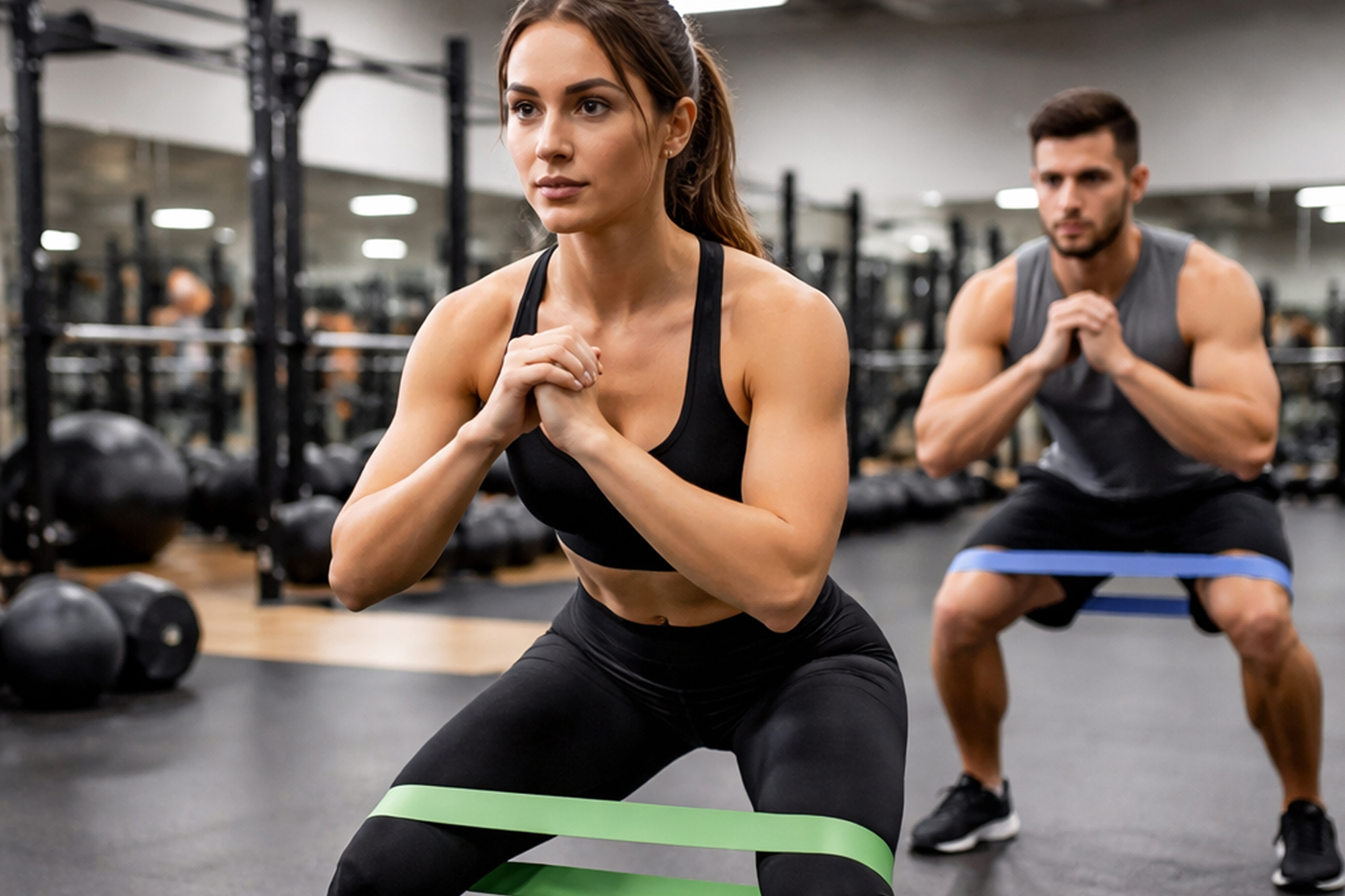
Simple exercises can dramatically improve balance and mobility. Single-leg stands, lateral band walks, and controlled squats strengthen the muscles that stabilize the hips and knees. Core exercises such as planks improve trunk control during movement.
Mobility drills for the hips, ankles, and thoracic spine also help players maintain fluid movement patterns on the court.
Even five to ten minutes of balance-focused training several times per week can produce measurable improvements.
For pickleball players who compete frequently, this type of conditioning becomes especially valuable. It allows the body to handle the quick directional changes and reaction demands of the game more safely.
A Sport That Encourages Lifelong Movement
One of pickleball’s greatest strengths is that it encourages consistent participation. Players return to the court not because they feel obligated to exercise, but because they enjoy the competition, the community, and the rhythm of the game.
That consistency is powerful. Regular movement strengthens muscles, supports joint health, and maintains neuromuscular coordination.
When paired with targeted balance and mobility work, pickleball becomes more than a recreational activity. It becomes a tool for maintaining independence, reducing injury risk, and supporting healthy aging. The rallies may only last a few seconds, but the benefits can last far longer.
The Pickleball Editorial Team produces in-depth reporting and cover features that examine the sport’s growth, innovation, competition, and culture. With contributors who understand both the strategy of the game and the forces shaping its future, the team is committed to telling the full story of modern pickleball.

Read the full magazine issue! Click below, then click on the X in the lower bar to enjoy a full screen view!